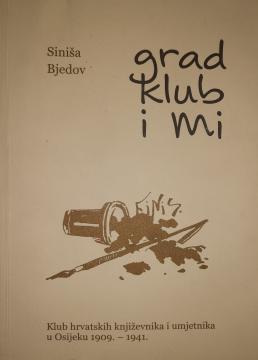
Grad, klub i mi
Editor
Valentina Majdenić
Dimensions
24 x 17 cm
Pages
434
Publisher
Oksimoron, Osijek, 2016.
Latin alphabet. Paperback.
Language: Croatian.
No copies available
The last copy was sold recently.
No copies available
The last copy was sold recently.
Are you interested in another book? You can search the offer using our search engine or browse books by category.
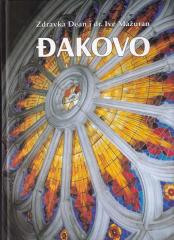
The monograph by Zdravka Dean and Ivo Mažuran provides a comprehensive overview of the history, culture and life of Đakovo. The monograph is a valuable read for anyone who wants to learn more about Đakovo, its history, cultural heritage and contemporary
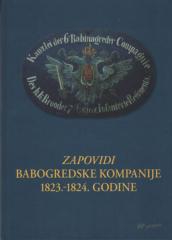
Commandments VI. Babogred companies from 1823-1824. they belong to the corpus of a small number of military border documents written in the Croatian language.
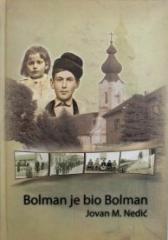
Monograph on the Baranja village of Bolman. The book has three main parts: "From the history of the village and the church municipality", "Bolman was Bolman – Vidoja Bijelić's memories" and "Ledari", with a description of Bolman's customs and mentality.
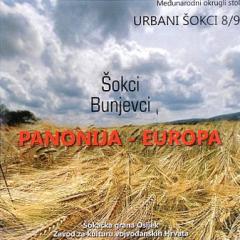
The book talks about the difficult struggle and the highland pride of the Bača plain, exploring the way of life of the people of Bunjevac and Šokac.
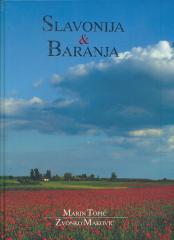
The purpose of this monograph is to show what Slavonia is really like in all its segments. It is the desire of the two authors to convey their love and sincere admiration for their immediate homeland to others.