Nova akropola filozofija - humanizam - kultura #72
One copy is available

One copy is available
Are you interested in another book? You can search the offer using our search engine or browse books by category.
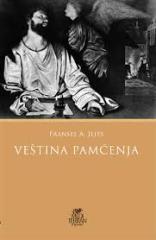
The Art of Memory (1966), one of the most significant works of intellectual history, explores the history of mnemonics from ancient Greece and Rome, through the Middle Ages and the Renaissance, to its influence on the science and culture of Europe.
The collection is an important contribution to the revitalization of Konstantinović's thought in the post-Yugoslav space, demonstrating that his critique of the rural mind remains relevant for understanding contemporary social and political pathologies.
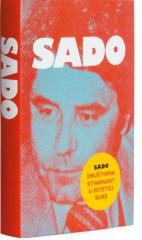
The collection brings together papers from a scientific conference dedicated to the work of Prof. Sadudin Musabegović, a prominent aesthetician and art theorist. Through various approaches, the authors explore the relationship between art, painting, socie
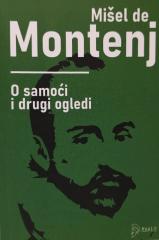
Montaigne is considered the father of the essay (The Views were first published in 1580), a literary form that combines a scientific approach and the author's personal view of the subject.
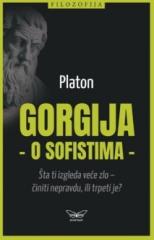
Plato's dialogue Gorgias (c. 380 BC) in which Socrates debates with Gorgias, Polus, and Callicles about the nature of rhetoric, power, justice, and the good life. A harsh criticism of the Sophists and their oratory as flattery rather than knowledge.
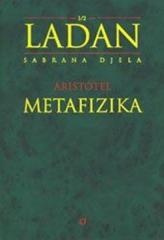
Metaphysics is Aristotle's most famous and influential philosophical work, consisting of 14 books. The name Metaphysics is not Aristotle's – it came later because the writings were placed "behind physics" (meta ta physika).