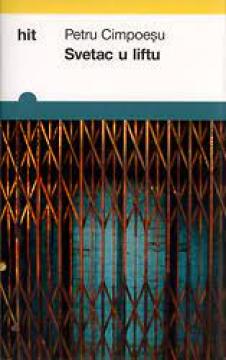
Svetac u liftu: Roman s anđelima i Moldavcima
Svetac u liftu Petrua Cimpoeşua satirični je roman o stanovnicima jednog rumunjskog nebodera koje uznemiri glasina da se u liftu ukazao svetac. Naizgled običan događaj prerasta u društveni fenomen.
Svetac u liftu roman je rumunjskog književnika Petrua Cimpoeșua koji kroz humor, ironiju i elemente apsurda prikazuje život u postsocijalističkoj Rumunjskoj. Radnja je smještena u stambenu zgradu u provincijskom gradu, gdje među stanarima počinje kružiti priča da se u liftu ukazao svetac.
Navodno ukazanje izaziva različite reakcije. Neki stanari događaj prihvaćaju kao čudo i znak božanske prisutnosti, drugi ostaju skeptični, a treći pokušavaju iskoristiti situaciju za osobnu korist. Kroz njihove razgovore, sukobe i nagađanja autor gradi mozaik različitih sudbina i mentaliteta.
Roman nema jednog glavnog junaka. U središtu su brojni stanari zgrade: umirovljenici, radnici, sitni poduzetnici, bivši partijski kadrovi, religiozni ljudi i oportunisti. Svaki od njih tumači čudo prema vlastitim interesima, strahovima i uvjerenjima. Kako glasina raste, obični lift postaje mjesto hodočašća, medijske pozornosti i društvenih prijepora.
Ispod humoristične površine krije se kritika društva koje nakon pada komunizma traži nove vrijednosti i autoritete. Cimpoeşu pokazuje kako se vjera, politika, mediji i svakodnevni interesi lako isprepliću te kako ljudi često više vjeruju glasinama nego činjenicama.
Svetac u liftu istodobno je satira, društveni roman i alegorija o potrebi za vjerom i smislom. Kroz naizgled banalnu situaciju autor prikazuje zbunjenost, nade i proturječja rumunjskog društva na prijelazu u novo doba.
Jedan primjerak je u ponudi