Antikvarne knjige
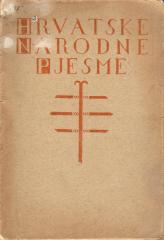
Hrvatske narodne pjesme VI.: Ženske pjesme II. Pričalice i lakrdije
Der sechste Band der berühmten Matica Hrvatska-Ausgabe, herausgegeben 1914 von Dr. Nikola Andrić (1867–1942), ist eine Sammlung humorvoller, satirischer und heiterer Frauenvolkslieder (Erzählungen und Farcen).
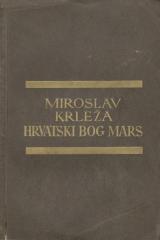
Hrvatski bog Mars

Die Kurzgeschichtensammlung „Kroatischer Gott Mars“ von Miroslav Krleža ist eines der bedeutendsten Antikriegswerke der kroatischen Literatur. Es wurde erstmals 1922, dann 1933 herausgegeben und nahm 1947 seine endgültige Form an.
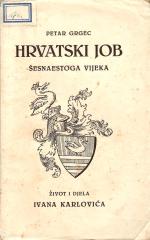
Hrvatski Job šesnaestoga vijeka – život i djela Ivana Karlovića
Petar Grgec schildert das Leben von Ban Ivan Karlović (Kurjaković), der aufgrund seines Leidens in den Kämpfen gegen die Türken als „kroatischer Hiob“ bekannt ist. Eine populärwissenschaftliche historische Monografie, herausgegeben von der Kroatischen Aka
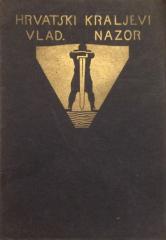

Hrvatski narodni vladari od god. 620.–1102.
A pioneering attempt at a systematic presentation of Croatian political history from the settlement of Croats to the conclusion of a personal union with Hungary. Segher chronologically traces the development of Croatian statehood, relying on the sources a
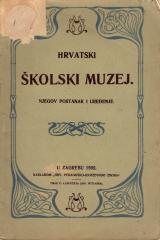
Hrvatski školski muzej, njegov postanak i uređenje
The Croatian School Museum, its Origin and Organization (1902) is a publication that presents the founding, purpose, collections, and organization of the Croatian School Museum as a central institution for the study of the history of education and pedagog
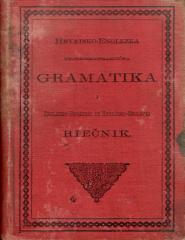
Hrvatsko-englezka teoretsko-praktična gramatika i englezko-hrvatski te hrvatsko-englezki riečnik
Croatian-English theoretical-practical grammar with a double dictionary (English-Croatian and Croatian-English) prepared in 1906 in New York by Dragan M. Jagrović for Croatian emigrants.
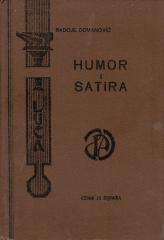
Humor i satira
"Humor i Satira" by Radoje Domanović (1935) is a selection of the most famous satirical stories by the Serbian master of satire. A critique of society, politics and mentality through a witty and sharp style.
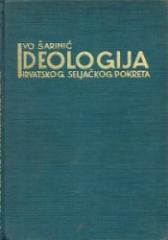
Ideologija hrvatskog seljačkog pokreta
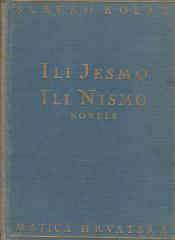
Ili jesmo ili nismo
Either We Are or We Are Not (1933) is Slavko Kolar's most famous collection of short stories. With a satirical and warm sense of humor, Kolar depicts the life of the Croatian village and the common man in interwar Yugoslavia – electoral fraud, bureaucracy