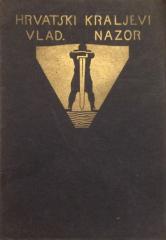
Rijetke knjige
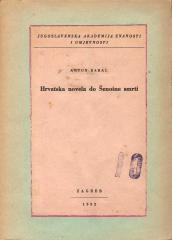
Hrvatska novela do Šenoine smrti
Antunova Barcova naučna studija o razvoju hrvatske novele od njenih početaka do Šenove smrti, sa pregledom autora, poetike i mesta novele u hrvatskoj književnosti.
Hrvatska proza Bosne i Hercegovine (od Matije Divkovića do danas)
Antologija predstavlja sveobuhvatan pregled razvoja hrvatske prozne književnosti u Bosni i Hercegovini, od ranih baroknih tekstova do savremenih autora, ističući kontinuitet, tematsku raznolikost i kulturni identitet književnog prostora.
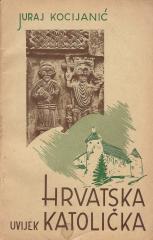
Hrvatska uvijek katolička
Hrvatska uvek katolička (1940), popularno-istorijska i apologetska knjiga samoborskog župnika koja dokazuje hiljadugodišnju katoličku odanost hrvatskog naroda, od vremena njihovog doseljavanja do 20. veka.
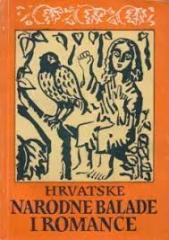
Hrvatske narodne balade i romance
"U hrvatskom književnom folkloru...balade i romance tvor jedan od najzanimljivijih dijelova naše narodne književnosti." - Olinko Delorko
Hrvatske narodne pjesme – Knjiga deveta: Junačke pjesme (odio prvi, sveska šesta)
A collection of heroic, historical, Krajina and Uskok folk songs edited by Dr. Nikola Andrić. The ninth book in the Matice hrvatska series brings together around 40 folk songs with motifs of struggle, defense of honor and heroism.
Hrvatske narodne pjesme – Knjiga osma: Junačke pjesme (odio prvi, sveska peta)
The eighth book in the series "Croatian Folk Songs" brings together Uskok and Hajduk folk songs edited by Dr. Nikola Andrić. The collection depicts battles, raids, revengeful exploits, and heroes of Croatian epic.
Hrvatske narodne pjesme VI.: Ženske pjesme II. Pričalice i lakrdije
The sixth volume of the famous Matica Hrvatska edition, edited in 1914 by Dr. Nikola Andrić (1867–1942), is a collection of humorous, satirical and humorous women's folk songs (tales and farces).
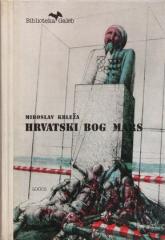
Hrvatski bog Mars

Krleža's best-known collection of short stories, The Croatian God Mars, is part of an imagined cycle of literary works with the theme of the First World War and Croatian Home Guards.
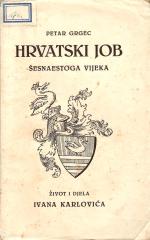
Hrvatski Job šesnaestoga vijeka – život i djela Ivana Karlovića
Petar Grgec depicts the life of Ban Ivan Karlović (Kurjaković), known as the "Croatian Job" for his suffering in the battles against the Turks. A popular historical monograph published by the Croatian Academy of Sciences of St. Jerome.