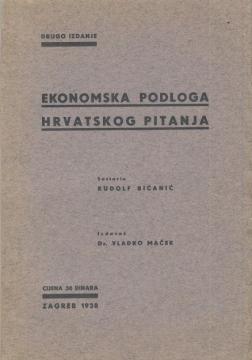
Ekonomska podloga hrvatskog pitanja
No copies available
The last copy was sold recently.

No copies available
The last copy was sold recently.
Are you interested in another book? You can search the offer using our search engine or browse books by category.

This part of Horvat's work depicts the great changes that affected Croatian lands during the 18th and 19th centuries, a period of transition from feudal to modern society.
The Valpovo labor camp (1945–1946) was the largest camp for Volksdeutschers in Croatia after World War II. About 4,000 Germans and Austrians were interned; at least 1,074 died, mostly from hunger, disease, and exhausting labor.
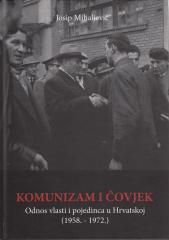
Josip Mihaljević's book analyzes the relationship between the government and the individual in communist Croatia (1958–1972), through repressive mechanisms, ideological pressures, and restrictions on personal freedom in the socialist system.
Selected Works of Academician Ljubo Boban (2022) brings together key texts on contemporary Croatian history of the 20th century. The foreword by Damir Agičić highlights Boban's methodological rigor and objectivity in researching sensitive topics.
In Glavaš – Chronicle of a Destruction, Drago Hedl reveals the rise and fall of Branimir Glavaš, through a story of power, crime, and moral decline in post-war Slavonia. The documentary research turns into a poignant chronicle of our society.
A classic of local historiography, it depicts the history, geography and culture of the Požega Valley from prehistoric times to the modern era. The work describes the region's strategic position, the influences of the Romans, Ottomans and Habsburgs, with