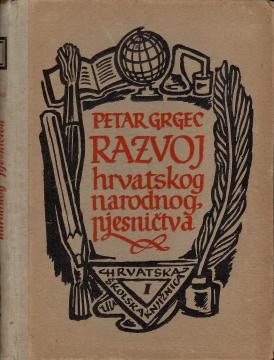
Razvoj hrvatskog narodnog pjesničtva: Književno-poviestne razprave
Ein Überblick über die kroatische mündliche Literatur von Petar Grgec, der Volkslieder mit Geschichte, Sprache und der Herausbildung des Nationalbewusstseins von der mittelalterlichen Tradition bis zur Neuzeit verbindet.
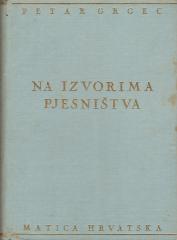
Die Entwicklung der kroatischen Volksdichtung ist ein Werk des kroatischen Schriftstellers, Publizisten und Kulturarbeiters Peter Grgec. Es bietet einen Überblick über Ursprung, Entwicklung und Bedeutung der kroatischen mündlichen Literatur. Das Buch versteht sich als zugängliche, aber dennoch fundierte Einführung in die Volksdichtung, einen der grundlegenden Ausdrucksformen kroatischer kultureller Identität und historischen Gedächtnisses.
Die Studie präsentiert eine Synthese der Entwicklung der kroatischen Volksdichtung als eine der wichtigsten Grundlagen der nationalen Kultur. Ausgehend von den ältesten mündlichen Formen zeichnet der Autor Ursprung und Entwicklung lyrischer, epischer, heroischer, historischer und traditioneller Gedichte nach, die seit Jahrhunderten im kollektiven Gedächtnis des kroatischen Volkes verankert sind. Besonderes Augenmerk liegt auf der Rolle der mündlichen Überlieferung bei der Bewahrung von Sprache, kultureller Identität und historischem Bewusstsein in Zeiten, in denen es keine starken politischen oder staatlichen Institutionen gab, die die nationale Kontinuität hätten gewährleisten können.
Das Werk betrachtet Volksdichtung nicht nur als literarisches Phänomen, sondern auch als Spiegelbild sozialer Verhältnisse, des Alltagslebens, der Religiosität, der Bräuche und der moralischen Werte verschiedener kroatischer Regionen. Analysiert werden die Themen Liebe, Familie, Arbeit, Krieg und Heldentum sowie historische Ereignisse, die sich im kollektiven Gedächtnis eingeprägt und in die mündliche Überlieferung Eingang gefunden haben. Gedichte über die Kämpfe gegen die Osmanen, das Leben der Grenzsoldaten und Nationalhelden nehmen einen besonderen Platz ein.
Der Autor betont, dass die kroatische Volksdichtung eine wichtige Inspirationsquelle für die Renaissance-Schriftsteller des 19. Jahrhunderts war und maßgeblich zur Herausbildung der modernen kroatischen Literatur und des Nationalbewusstseins beigetragen hat. Das Buch hebt die Verbindung zwischen dem kroatischen mündlichen Erbe und dem europäischen romantischen Interesse an Folklore hervor, beleuchtet aber auch dessen Besonderheiten, die sich aus der kroatischen Geschichte und Kultur ergeben.
Das während des Zweiten Weltkriegs veröffentlichte Werk ist sowohl eine literatur- als auch geschichtswissenschaftliche Studie und zugleich ein Zeugnis einer Zeit, in der die Volkskunst als wichtiges Symbol nationaler Identität galt. Heute bietet es einen wertvollen Überblick über die kroatische mündliche Überlieferung und ihre Bedeutung für die Entwicklung der kroatischen Kultur, Literatur und des Geschichtsbewusstseins.
One copy is available