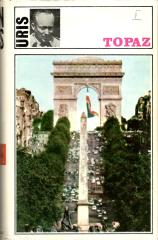
Putnik za Frankfurt

In Agatha Christie's novel The Passenger to Frankfurt, British diplomat Stafford Nye becomes embroiled in a global conspiracy of youth and radical extremists who plan to take over the world.
The novel The Traveler to Frankfurt by the famous British author Agatha Christie is an unusual and provocative thriller that differs significantly from her classic murder mysteries in a closed space. Published in 1970, this work reflects the author's deep concern with the social and political turmoil of the time, especially the growing radicalism of the younger generation, student protests and the threat of totalitarian ideologies that threaten the stability of post-war Europe.
The plot begins at Frankfurt airport, where the respected and somewhat tired British diplomat Sir Stafford Nye meets a mysterious young woman in distress. She begs him for help, lends him his coat and passport, and tricks him into a dangerous political game. What begins as a bizarre incident soon grows into an international conspiracy of gigantic proportions. Stafford uncovers the existence of a secret organization that uses the discontent and rebellious energies of young people around the world to cause chaos, overthrow existing governments and establish a global fascist dictatorship.
Traveling from Frankfurt to London to secret hideouts in Switzerland, Stafford tries to unmask the mysterious leaders of the conspiracy, dealing with double agents, political maneuvering and constant danger to his life. In this work, Agatha Christie abandons the classic forensic investigation and instead builds a suspenseful spy story filled with philosophical discussions about human nature, the generation gap and the eternal struggle between order and anarchy, offering readers an intriguing insight into the dark side of modern geopolitics.
One copy is available