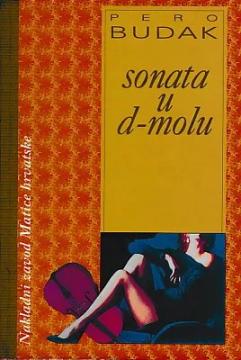
Sonata u d-molu
The melancholic novel follows the inner turmoil, unfulfilled loves, and artistic pursuits of the main characters, while the sounds of a wistful melody become a metaphor for transience, nostalgia, and human destinies.
The novel Sonata in D Minor, by the renowned Croatian writer and playwright Pero Budak, stands as one of his more mature prose works from the 1990s. Moving away from his well-known tradition of comedy and drama rooted in the Lika region, Budak crafts a more intimate, introspective, and psychologically nuanced narrative—one imbued with deep emotion and melancholy. The titular musical theme—D minor, a key often associated with elegy and a gentle, poignant sadness—permeates the entire structure of the novel. Through the lens of art, music, and the past, the author explores complex human relationships, missed opportunities, and suppressed emotions that resurface later in life. The protagonists grapple with their own illusions, the relentless passage of time, and moral dilemmas, all against a backdrop of unspoken love, loneliness, and a yearning for meaning. While the story showcases Budak’s signature flair for dialogue, the work is primarily defined by its lyrical atmosphere and a sophisticated analysis of the human psyche. Sonata in D Minor is a moving, multi-layered novel that invites reflection on the sacrifices we make, the imprints others leave upon our lives, and the enduring power of art—both to heal our deepest wounds and to reopen them.
One copy is available
- A message of a personal nature