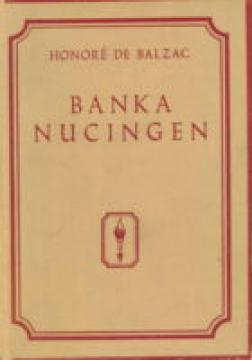
Banka Nucingen

Britanski prikaz pariskog sveta novca, špekulacija i društvene moći. „Banka Nisenžan” razotkriva mehanizme finansijskog uspona i moralnu cenu bogatstva u Balzakovom društvu.
Kuća Nusingen je jedno od dela Onorea de Balzaka koja jasno pokazuju njegovu sposobnost da poveže književnost sa preciznim zapažanjem društvenih i ekonomskih odnosa. Prvobitno objavljena 1838. godine pod naslovom La Maison Nucingen, ova novela pripada obimnom ciklusu Ljudska komedija i fokusira se na svet pariskih finansija, bankarstva i špekulacija.
U središtu priče nalazi se baron Frederik de Nusingen, moćni bankar i lik koji se pojavljuje u više Balzakovih dela. Kroz razgovor četvorice novinara i poslovnih ljudi, čitalac postepeno otkriva metode kojima Nusingen gradi svoje finansijsko carstvo. Njegovi poslovni manevri ilustruju kako se bogatstvo može steći putem tržišnih manipulacija, korišćenja poverljivih informacija, kredita i poverenja investitora.
Balzak ne prikazuje svet finansija izolovano, već kao sastavni deo društva u kojem novac određuje status, ugled i moć. Bankare, aristokrate, berzanske špekulatore i one koji teže društvenom usponu povezuje složena mreža interesa, dugova i ličnih ambicija.
Kuća Nusingen je istovremeno društvena satira, finansijska hronika i kritika kapitala, prožeta Balzakovom karakterističnom ironijom. Ovo delo pruža fascinantan uvid u ekonomski život Pariza 19. veka, kao i u univerzalne mehanizme pohlepe, špekulacije i borbe za društveni prestiž.
One copy is available