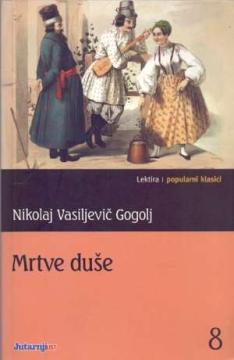
Mrtve duše
„Die toten Seelen“ (1842) ist eine brillante Satire, die den moralischen und sozialen Verfall des zaristischen Russlands durch Tschitschikows Betrug mit toten Leibeigenen aufdeckt, mit Gogols virtuoser Mischung aus Humor, Ironie und Lyrik.
Der Roman „Tote Seelen“ ist ein satirisches Meisterwerk der russischen Literatur, das die sozialen und moralischen Verirrungen des zaristischen Russlands kritisiert. Die Hauptfigur Tschitschikow, ein charmanter Betrüger, reist durch die Provinz und kauft „tote Seelen“ auf – die Namen verstorbener Leibeigener, die noch immer auf den Listen der Grundbesitzer stehen und für die Steuern gezahlt werden. Sein Plan ist es, diese Seelen als Sicherheit für Kredite zu verwenden und reich zu werden.
Die Handlung folgt Tschitschikows Verhandlungen mit verschiedenen Grundbesitzern, vom geizigen Korobotschka über den verschwenderischen Nosdrjow bis hin zum melancholischen Pljuschkin. Jede Figur offenbart unterschiedliche Charaktereigenschaften und Schwächen der russischen Gesellschaft – Gier, Eitelkeit, Dummheit und moralischen Verfall. Gogol setzt Humor und Ironie meisterhaft ein und schafft groteske Porträts von Korruption und geistiger Leere. Tschitschikows scheinbar sinnloses Unternehmen wird zur Metapher für den Handel mit dem Nichts in einer wertlosen Gesellschaft.
Der Roman, der als Trilogie nach Dantes Göttlicher Komödie konzipiert war, blieb unvollendet. Der erste Teil, der einzige veröffentlichte, endet mit Tschitschikows Flucht nach der Entdeckung seines Betrugs. Gogols Stil verbindet Realismus, Satire und lyrische Exkurse, wie die berühmte Passage über Russland als Troika, die ins Ungewisse stürmt.
Weitere Exemplare sind verfügbar