Mass killing and genocide in Croatia 1991/92
One copy is available

One copy is available
Are you interested in another book? You can search the offer using our search engine or browse books by category.
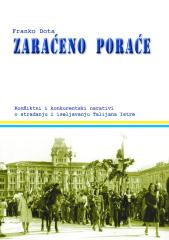
The book analyzes how conflicting historical narratives about the suffering and mass emigration of Italians from Istria and Rijeka developed in Croatia and Italy after World War II (1943–1956), debunking myths and encouraging an empathetic approach to the
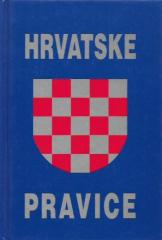
"Croatian Rights" presents a selection of key historical documents that shape the Croatian legal tradition – from medieval charters to modern acts – emphasizing the continuity of Croatian autonomy within the broader European framework.
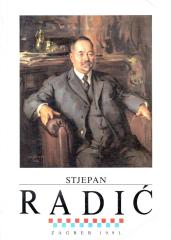
The Stjepan Radić exhibition catalogue, published in 1991 on the occasion of the exhibition at the Croatian History Museum in Zagreb, is dedicated to the life and work of Stjepan Radić (1871–1928), a key figure in Croatian politics and the founder of the
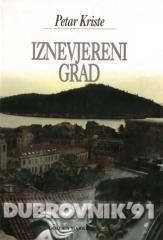
A memoir by Petar Krista, a member of the Dubrovnik Crisis Staff, about the first months of the siege of the city. The work records the political background, military reality, and personal drama of the defense of Dubrovnik.
The book presents a comprehensive overview of the economic development of Osijek over eight centuries. The work is based on historical sources and scientific analyses, providing insight into economic conditions from the Middle Ages to the modern era.
This part of Horvat's work depicts the great changes that affected Croatian lands during the 18th and 19th centuries, a period of transition from feudal to modern society.