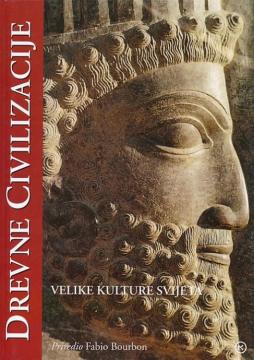
Fabio Bourbon, Guido Massimo Coradi, Sara Demichelis, Furio Durando, Maria Longhena, Sarah Kochav, Giuseppina Merchionne, Desidera Viola, Francesco Tiradritti, Maria Ausilia Albanese
The book brings to life 50 archaeological sites from around the world, from the pillars of Stonehenge and the secrets of Petra, to the windswept heights of Masada and the silent, motionless soldiers of Xian, to the birthplace of the biblical patriarchs in
A magnificent collection of color photographs, paintings, and maps portray the magic and mystery of archaeological discoveries. Comprehensive articles by distinguished scholars explain the history that these discoveries reveal. The book also contains the original appearance of each site, the lives of its inhabitants, their customs, rituals, and traditions. The book sheds light on many secrets and will delight anyone who loves history, archaeology, and exotic travel...
Original title
Lost Civilizations: Rediscovering the Great Cultures of the Past
Translation
Hrvoje Potrebica
Editor
Fabio Bourbon, Ivanka Borovac
Graphics design
Patrizia Balocco, Anna Galliani, Paola Piacco, Clara Zanotti