Antique books
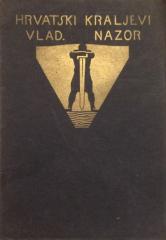
Hrvatski kraljevi
Izdanje iz 1912. godine. Uključuje i Galijotovu pesan.

Hrvatski narodni vladari od god. 620.–1102.
A pioneering attempt at a systematic presentation of Croatian political history from the settlement of Croats to the conclusion of a personal union with Hungary. Segher chronologically traces the development of Croatian statehood, relying on the sources a
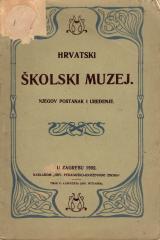
Hrvatski školski muzej, njegov postanak i uređenje
The Croatian School Museum, its Origin and Organization (1902) is a publication that presents the founding, purpose, collections, and organization of the Croatian School Museum as a central institution for the study of the history of education and pedagog
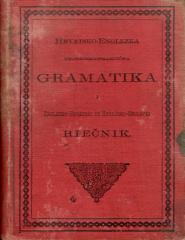
Hrvatsko-englezka teoretsko-praktična gramatika i englezko-hrvatski te hrvatsko-englezki riečnik
Croatian-English theoretical-practical grammar with a double dictionary (English-Croatian and Croatian-English) prepared in 1906 in New York by Dragan M. Jagrović for Croatian emigrants.
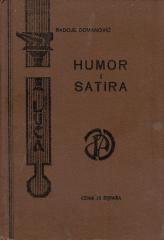
Humor i satira
"Humor i Satira" by Radoje Domanović (1935) is a selection of the most famous satirical stories by the Serbian master of satire. A critique of society, politics and mentality through a witty and sharp style.
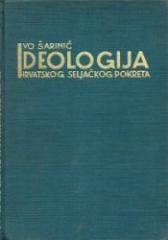
Ideologija hrvatskog seljačkog pokreta
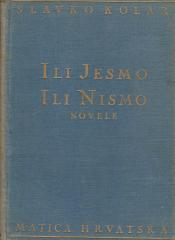
Ili jesmo ili nismo
Either We Are or We Are Not (1933) is Slavko Kolar's most famous collection of short stories. With a satirical and warm sense of humor, Kolar depicts the life of the Croatian village and the common man in interwar Yugoslavia – electoral fraud, bureaucracy
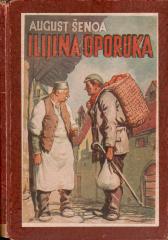
Ilijina oporuka / Lijepa Anka

Book 16 of the Collected Works of August Šenoa combines two powerful narratives: a satirical critique of civic immorality and wastefulness in Ilija's Testament and a romantic, dramatic story of unhappy love and social barriers in Lijepa Anka.
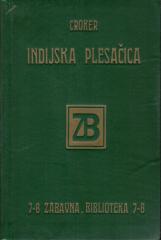
Indijska plesačica
The novel follows the love and social entanglements of British colonial circles in India. Secrets, jealousy and the conflict of different customs connect the destinies of Europeans and Indians in a tense story.
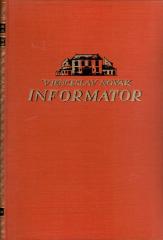
Informator
Informator (1894) is a shorter prose work by Vjenceslav Novak, edited by Slavko Ježić (the third volume of Collected Works). It is one of Novak's most socially engaged texts and is typical of his realistic approach.