Political-historical essays
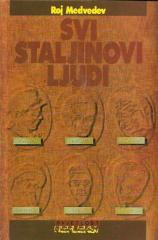
Svi Staljinovi ljudi
Roj Medvedev's book is a collection of biographical portraits of six key collaborators of Joseph Stalin: Vyacheslav Molotov, Lazar Kaganovich, Anastasij Mikoyan, Kliment Voroshilov, Georgi Maljenkov and Mikhail Suslov.
Svjedok (ne)vremena
The book is both a personal and social testimony to the turbulent times the Croatian people went through, especially during the 20th century.
Teološka bilježnica - Svijet kroz teološke oči
The book is a comprehensive publicistic work in the form of essays in which social, religious, political and media phenomena are read in the manner of theological hermeneutics, through the prism of a theological eye. It is composed of five chapters.
Terror and Liberalism
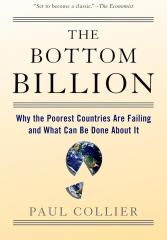
The Bottom Billion: Why the Poorest Countries are Failing and What Can Be Done About It
In the universally acclaimed and award-winning The Bottom Billion, Paul Collier reveals that fifty failed states--home to the poorest one billion people on Earth--pose the central challenge of the developing world in the twenty-first century.
The Death of the West: How Dying Populations and Immigrant Invasions Imperil Our Country and Civilization
The Warren Buffett Way: Third edition
The Welfare State We're in
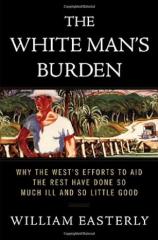
The White Man's Burden: Why the West's Efforts to Aid the Rest Have Done So Much Ill and So Little Good
Tu nema ničega!
In her provocative essay, Dubravka Ugrešić considers life in post-socialist Europe and Croatia using the example of spas.