Rare books
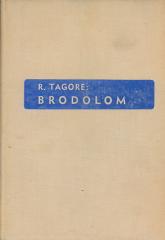
Brodolom
Shipwreck (1906) is a novel about fate and chance. After a shipwreck, Ramesh and Kamala begin a life together, believing they are married. The novel explores the conflict between duty, love, identity, and social norms in colonial Bengal.
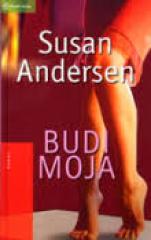
Budi moja
Juliet Rose Astor Lowell, a member of a wealthy family, comes to New Orleans where she meets police officer Beau Dupree. Although she resists his attraction, Beau will completely shake up her life.
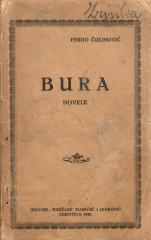
Bura: novele
"Bura" (1928) is a collection of short stories by Ferdo Čulinović. Realistic stories inspired by the author's experience as a judge, with themes of social injustice, the common man, and turbulent social conditions in the Kingdom of Serbs, Croats, Slovenes
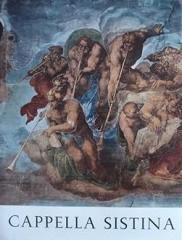
Cappella Sistina
Richly illustrated monograph on the Sistine Chapel, with detailed and high-resolution images, accompanied by editorial comments. Preface text in English, German, French and Spanish.
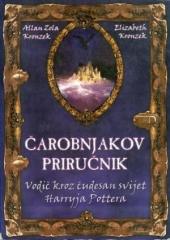
Čarobnjakov priručnik: Vodič kroz čudesni svijet Harryja Pottera
Behind Harry's fantasy world lies a centuries-old treasure trove of history, folklore, and mythology. Those without access to the Hogwarts library can now read the Wizarding World of Harry Potter and the Deathly Hallows by reading the book "The Wizarding

Čarobnost mističkog života
"The Magic of the Mystical Life" is a spiritual-ascetic work by Sister María Ángela Sorazu y Aizpuru (1873–1921), a Basque Poor Clare nun (convent in Valladolid, Spain).
Češka vježbenica za srednje i njima slične škole
Czech language textbook with exercises for high schools. A practical language manual written by Stjepan Radić in 1911 with the aim of bringing the Croatian and Czech peoples closer together.
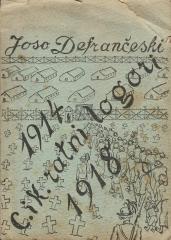
C. i Kr. ratni logori 1914.–1918.
The first comprehensive account of the suffering of Istrian civilians (mostly women, children and the elderly) in Austro-Hungarian refugee camps during World War I, based on the personal memories of the author from Ližnjan.
Čitanje iz karata ili vještina gatanja
The manual explains how to use a regular deck of 32 cards to predict the future, interpreting the meanings of each card in various layouts. The booklet was published in the interwar period, probably in the late 1920s, early 1930s.