NIŠRO Oslobođenje
71000Sarajevo
Bosnia and Herzegovina
Titles in our offer
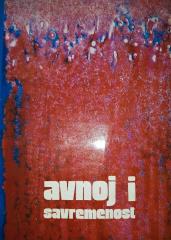
Avnoj i savremenost
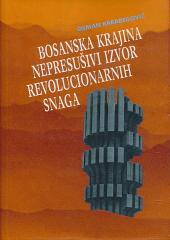
Bosanska krajina nepresušivi izvor revolucionarnih snaga
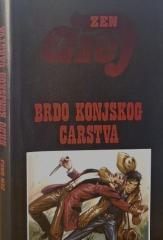
Brdo konjskog carstva
At the center of the story is a strong and aloof hero (a typical Grey character) who arrives in an area known as “Horse Empire Hill,” a place where exceptional wild and semi-wild horses are bred.

Članci i polemike 1: Ratne teme

A collection of Krleža's journalistic texts, commentaries and analyses written during and immediately after World War I, important for understanding his intellectual development and the basis for his later works.

Članci i polemike 2: Sa uredničkog stola
The collection Articles and Polemics 2: From the Editorial Desk includes essays, criticisms, and polemical texts written during Krleža's engagement as editor of various literary magazines, such as Književna republika and Pečate.
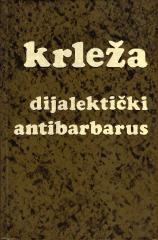
Dijalektički antibarbarus
Krleža's most famous polemical text, in which he sharply attacks dogmatic vulgar Marxism and bad tendentious literature within the left, defending artistic freedom and intellectual autonomy. The culmination of the conflict on the literary left.
Dnevnik 1: Dnevnik 1914 - 17 (Davni dani I)
The 1914–17 diary records Krleža's writings from the First World War: personal dilemmas, pacifism, conflict with the militarism of the Monarchy, and intellectual maturation in the years of the collapse of the old world.
Dnevnik 2: Dnevnik 1918-22 (Davni dani II)
The Diary 1918–22 records Krleža's writings from the post-war years marked by the collapse of the Monarchy, the emergence of a new state, political fractures, and his increasingly harsh criticism of society, intellectuals, and ideological illusions.
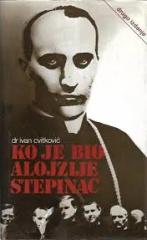
Ko je bio Alojzije Stepinac
A sociological-historical study in which Ivan Cvitković analyzes the activities of the Archbishop of Zagreb in the context of the Independent State of Croatia, World War II and the post-war period, relying on sources available at the time.