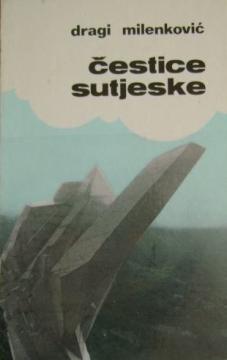
Čestice Sutjeske
One copy is available
- Library stamp

One copy is available
Are you interested in another book? You can search the offer using our search engine or browse books by category.
In terms of the number and content of facts, systematics, and method of interpretation, Gavrilović's work surpasses ordinary historiographical reading and stands side by side with the best literary creations about the events of one time and their actors.
The book analyzes how conflicting historical narratives about the suffering and mass emigration of Italians from Istria and Rijeka developed in Croatia and Italy after World War II (1943–1956), debunking myths and encouraging an empathetic approach to the
"Lost Orientation" by Radovan Radonjić, published in 1985, represents a philosophical and sociological reflection on the then Yugoslav society and the crisis of socialist identity.
And what kind of husband was Tito? Man? The first Croatian biography of Comrade Jovanka answers that question, which was really of great interest to about 20 million Yugoslavs.
The autobiographical work of Croatian communist activist Vladimir Novak, a survivor of the Ustasha camps, follows his memories of resistance to fascism during World War II.
The book by Raif Dizdarević, one of the last living actors of Yugoslav diplomacy, presents his reconstruction of the most fateful moment of post-war Yugoslavia – the split with Stalin and the Informburo in 1948–1953.