Tito
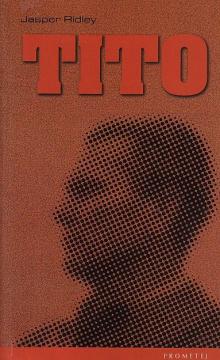
Ridleyeva knjiga o Titu do sada je prevedena na dvadesetak jezika. U Velikoj Britaniji doživjela je tri izdanja, a otkako se 1994. pojavila na tržištu najčitanija je knjiga političke publicistike. Riječ je o Titovoj biografiji.
Autor, uz brojna svjedočenja, mnoštvo zanimljivih i manje poznatih detalja, provjerenih izvora i anegdota, izlaže biografske činjenice o Titu i iznosi kronologiju povijesnih i političkih procesa unutar kojih se oblikovala državnička fizionomija Josipa Broza. Na stranicama knjige susrećemo glavne aktere hrvatske (i jugoslavenske) političke scene. Tu su i najznačajnije ličnosti i događaji koji su obilježili 20. stoljeće.
Knjiga o Titu ima 532 stranice i 40 fotografija, opremljena je kritičkom aparaturom, kartama i kazalom imena.
Kada se knjiga pojavila u knjižarama, u listopadu 2001, do svibnja 2002. bila je najprodavanija i najčitanija knjiga u Hrvatskoj! Provjerite zašto!
Po ovoj knjizi BBC je snimio dokumentarni film o Titu.
Nema primjeraka u ponudi
Poslednji primjerak je nedavno prodan.