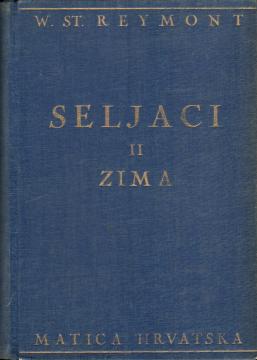
Seljaci II: Zima
Drugi dio epske tetralogije Seljaci. Roman prikazuje težak zimski život u selu Lipce, produbljuje sukobe unutar Borynine obitelji, strastvenu vezu Antka i Jagne te sve jače napetosti u selu. Nobelovska epopeja seljačkog života.
Drugi svezak monumentalne tetralogije Seljaci (Chłopi), za koju je Reymont 1924. godine dobio Nobelovu nagradu za književnost. Prijevod s poljskog, kao i kod prvog dijela, napravio je Julije Benešić, koji je cijeloj tetralogiji dao izvanrednu književnu kvalitetu.
Radnja Zime odvija se u selu Lipce tijekom najtežeg godišnjeg doba. Snijeg, mraz i duga zimska noć zatvaraju selo u sebe i pojačavaju sve sukobe. Glavni sukob i dalje je unutar obitelji Macieja Boryne: stari Boryna, oženjen mladom Jagnom, sve više gubi autoritet, dok njegov sin Antek otvoreno buni protiv oca. Ljubavna strast između Antka i Jagne prerasta u snažnu, destruktivnu vezu koja potresa cijelo selo.
Reymont majstorski prikazuje zimski ritam seoskog života: duge večeri uz petrolejke, crkvene blagdane (Božić i Nova godina), svadbe, svađe u krčmi, ogovaranja i sve jače socijalne napetosti. Zima ovdje nije samo godišnje doba – ona je simbol teškoće, zatvorenosti, strasti koje tinjaju i polaganog raspadanja starih patrijarhalnih odnosa.
U ovom dijelu autor još dublje ulazi u psihologiju likova. Jagna se pokazuje kao kompleksan ženski lik – lijepa, požudna, ali i žrtva vlastitih nagona i društvenih pravila. Antek je razapet između ljubavi, mržnje prema ocu i odgovornosti prema obitelji. Cijelo selo funkcionira kao jedan veliki organizam u kojem svaka radnja ima posljedice.
Stil je bogat, slikovit i naturalistički sirov, s izvanrednim opisima prirode koji se stapaju s ljudskim sudbinama. Reymont pokazuje izuzetno razumijevanje kolektivne psihologije sela i cikličnosti života vezane uz godišnja doba.
Zima je dramatičniji i napetiji dio od Jeseni – sukobi se zaoštravaju, a selo polako ključa prema kulminaciji koja će uslijediti u proljeće i ljeto. Tetralogija Seljaci smatra se jednim od najsnažnijih epskih prikaza seljačkog svijeta u svjetskoj književnosti.
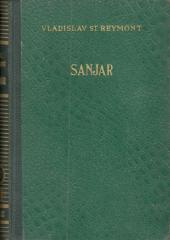
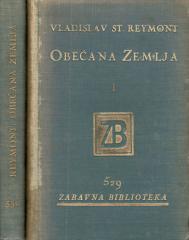
Izdanje Matice hrvatske iz 1928. s Benešićevim prijevodom i predgovorom danas je cijenjeno antikvarno izdanje. Nezaobilazno djelo za ljubitelje klasičnog realizma, epske proze i dubokih društveno-psiholoških romana.
Primjerak je dostupan kao dio kompleta knjiga "Seljaci I-IV"
Pregledajte komplet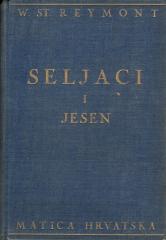
1. Seljaci I: Jesen
Prvi dio epske tetralogije o životu poljske seoske zajednice u selu Lipce. Roman prikazuje ritam seoskih radova, svakodnevicu, intrige, sukobe oko zemlje i moći te brak starog bogatog seljaka Macieja Boryne s mladom i lijepom Jagnom.
- Napuknut hrbat
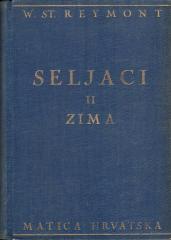
2. Seljaci II: Zima
Drugi dio epske tetralogije Seljaci. Roman prikazuje težak zimski život u selu Lipce, produbljuje sukobe unutar Borynine obitelji, strastvenu vezu Antka i Jagne te sve jače napetosti u selu. Nobelovska epopeja seljačkog života.
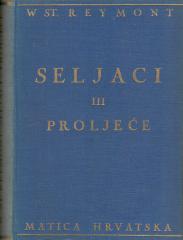
3. Seljaci III: Proljeće
Treći dio epske tetralogije Seljaci. Proljeće donosi buđenje prirode, ali i nove sukobe u selu Lipce: kulminaciju ljubavnog trokuta, obiteljske drame i društvenih napetosti. Nastavak Nobelove epopeje poljskog seljačkog života.
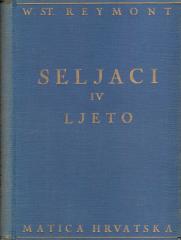
4. Seljaci IV: Ljeto
Seljaci IV: Ljeto završni je i najsnažniji dio epske tetralogije Seljaci. Kulminacija sukoba u selu Lipce tijekom vrućeg ljeta i žetve, drama oko Jagne, smrt Macieja Boryne i konačno zatvaranje velikog životnog kruga.