Suvremena talijanska filozofija
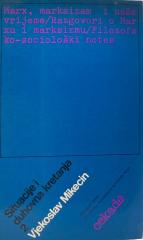
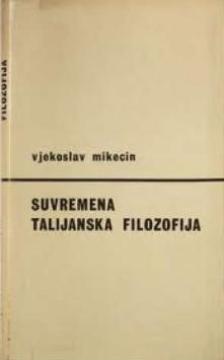
Vjekoslav Mikecin u knjizi Suvremena talijanska filozofija (1966.) daje pregled talijanske misli 20. stoljeća, s naglaskom na marksističke, idealističke i egzistencijalističke struje nakon Crocea i Gentilea.
U knjizi Suvremena talijanska filozofija, Vjekoslav Mikecin pruža problematsko-bibliografski pregled talijanske filozofije sredinom 20. stoljeća. Djelo se usredotočuje na razdoblje nakon Drugoga svjetskog rata, analizirajući prijelaz od klasičnog idealizma Benedetta Crocea i Giovannija Gentilea prema novim strujama.
Mikecin posebnu pozornost posvećuje talijanskom marksizmu i njegovim varijantama – od gramscijevskog naslijeđa, preko kritičkih interpretacija Marxa, do dijaloga s egzistencijalizmom i fenomenologijom. Knjiga obrađuje autore koji su tražili sintezu marksizma s talijanskom filozofskom tradicijom, kao i one koji su se kritički odnosili prema ortodoksnom marksizmu.
Istaknuti su i utjecaji egzistencijalizma, spiritualizma te različitih oblika neoidealizma i neoracionalizma. Mikecin pokazuje kako talijanska filozofija nakon fašizma i rata intenzivno traži nove odgovore na pitanja povijesti, prakse, slobode i društvene promjene, često u dijalogu s europskim tokovima (francuski marksizam, njemačka kritička teorija).
Rad je karakterističan za Mikecinov pristup: kombinira filozofsku analizu s kulturno-povijesnim kontekstom, ističući originalnost talijanske misli unutar šireg europskog okvira. Kao jedan od ranih hrvatskih (jugoslavenskih) pregleda, knjiga je vrijedna jer približava domaćoj publici autore i rasprave koje su u to vrijeme bile manje poznate izvan Italije.
Izdana 1966. godine, ova studija odražava duh šezdesetih – razdoblje intelektualnog vrenja, otvorenosti prema marksizmu i kritičkog preispitivanja tradicije. Danas služi kao važan dokument o recepciji talijanske filozofije u jugoslavenskom kontekstu i kao uvod u autore koji će kasnije (Vattimo, Agamben i dr.) obilježiti međunarodnu scenu.
Mikecinova knjiga ostaje korisna za razumijevanje kontinuiteta i prijeloma u talijanskoj filozofiji 20. stoljeća, posebno u njezinu angažiranom i povijesno svjesnom karakteru.
Jedan primjerak je u ponudi