Srednja Europa
Zagreb
Hrvatska
Naslovi u ponudi
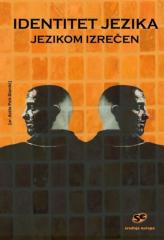
Identitet jezika jezikom izrečen
Das Buch enthält elf Texte und eine autorisierte Diskussion aus einer Podiumsdiskussion, die anlässlich der Übersetzung von Robert D. Greenbergs Buch „Sprache und Identität auf dem Balkan“ organisiert wurde.
Izabrani radovi
Die „Ausgewählten Werke des Akademikers Ljubo Boban“ (2022) vereinen Schlüsseltexte zur kroatischen Zeitgeschichte des 20. Jahrhunderts. Das Vorwort von Damir Agičić hebt Bobans methodische Strenge und Objektivität bei der Erforschung sensibler Themen her

Od industrijalaca do kažnjenika: “Gutmann” i “Našička” u industrijalizaciji Slavonije
The book follows the rise and fall of Croatian industrialists who, after political and economic changes, ended up under investigation, indictments, or convictions, analyzing the relationship between business, politics, and the judiciary.
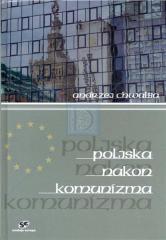
Poljska nakon komunizma
Knjiga je osvrt na posljednja dva desetljeća poljske povijesti. Zasigurno će biti zanimljiva ne samo čitateljima koje zanima suvremena Poljska, već i široj kulturnoj javnosti.

Trst ne damo!
Jugoslavija i Tršćansko pitanje 1945. – 1954.
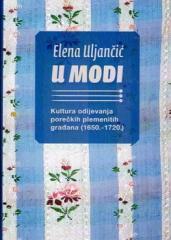
U modi: Kultura odijevanja porečkih plemenitih građana (1650.-1720.)
The book represents a novelty not only in Istrian, but also in Croatian historiography. Namely, the clothing culture in the region of Istria in the early modern period has not yet been analyzed at all, and for the region of Dalmatia only sporadically.

Uokviravanje nacije i kolektivni identiteti. Politički rituali i kultura sjećanja na traume 20. stoljeća u Hrvatskoj
In the book, the strategy of framing the nation and collective identities from the top down and from the bottom up was implemented through the commemorative practices of events from the Second World War and the Homeland War in Croatia.
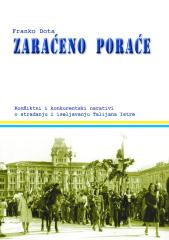
Zaraćeno poraće: Konfliktni i konkurentski narativi o stradanju i iseljavanju Talijana Istre
Knjiga analizira kako su se u Hrvatskoj i Italiji razvijali sukobljeni povijesni narativi o stradanju i masovnom iseljavanju Talijana iz Istre i Rijeke nakon Drugog svjetskog rata (1943–1956), razbijajući mitove i potičući empatični pristup prošlosti.