Lajos Zilahy
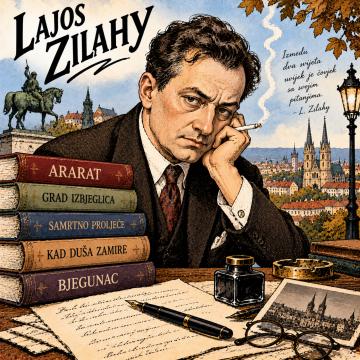
Lajos Zilahy (Nagyszalonta, March 27, 1891 – Novi Sad, December 1, 1974) was a Hungarian writer, playwright, screenwriter, and journalist, and one of the most widely read Hungarian novelists of the 20th century. He grew up in a middle-class family, studied law in Budapest, and served in the Austro-Hungarian army during World War I. His wartime experiences profoundly influenced his literary work, particularly his portrayal of human destinies shaped by historical upheaval.
He began his literary career writing poetry and plays, but achieved widespread popularity with the novel Deadly Spring (Halálos tavasz, 1922), a poignant love story exploring passion, jealousy, disillusionment, and the tragic consequences of emotional conflict. The novel became an international success and was adapted for the screen in 1939.
Notable among his works are Two Prisoners (Két fogoly, 1926), The Fugitive (A szökevény, 1930), and Ararat (1947). In his novels, Zilahy depicts romantic relationships, family conflicts, moral dilemmas, and social changes, often setting personal dramas against the backdrop of major historical events. A special place in his later body of work is held by the novel The City of Refugees (A Dukay család, 1949.), which is linked to his extensive narrative cycle concerning the fate of the Hungarian aristocracy.
Zilahy was also active in theater and film, contributing to screenwriting and film production. His works are characterized by intense emotion, psychological characterization, dynamic plots, and an accessible narrative style. These qualities earned him great popularity among readers across Europe.
After World War II, he left Hungary and settled in the United States, where he continued his literary career. He spent the final years of his life in Europe and died in Novi Sad in 1974.
Lajos Zilahy is remembered as a master of the romance and social novel, whose works intertwine intimate human destinies with the dramatic historical circumstances of the first half of the 20th century.
Titles in our offer

Ararat
Istorijska saga o mađarskoj aristokratskoj porodici Dukaj — njihovim ljubavima, sukobima i propadanju — smeštena u burne decenije Prvog svetskog rata, sloma Austrougarske i promena u međuratnom periodu.

Ararat : prvi dio
The first part of Lajos Zilahi's monumental saga. The novel follows the fate of a distinguished Hungarian family and aristocracy in the turbulent years before the First World War and during social turmoil.


Begunac
Dramatičan roman o bekstvu, krivici i unutrašnjoj borbi pojedinca. Zilahi oslikava traumu Prvog svetskog rata kroz sudbinu mađarskog oficira u potrazi za slobodom i oproštajem.

Begunac
Lajoš Zilahi, mađarski književnik, ostavio je dubok trag u književnosti. Njegova knjiga “Begunac” iz 1977. godine je jedno od njegovih najboljih djela.
Grad izbeglica
Roman „Grad izbeglica“ uglednog mađarskog pisca Lajosa Zilahyja dirljiva je drama o sudbinama ljudi u vrtlogu Prvog svjetskog rata i poslijeratnog haosa, fokusirana na borbu za opstanak i ljudsko dostojanstvo.


Grad izbeglica
Potresna priča o ljudskim sudbinama, izbeglištvu i gubljenju korena nakon Prvog svetskog rata. Zilahi upečatljivo oslikava društvene lomove i borbu malog čoveka za opstanak.
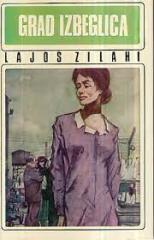
Grad Izbeglica
Knjiga 2

Izabrana dela 10: Razbesneli anđeo
Treći nastavak šestodjelne sage o obitelji Dukaj prati njezinu sudbinu tijekom Drugoga svjetskog rata, opsade Budimpešte i političkih prevrata, otkrivajući tragedije rata, izbjeglištva i raspada plemićkog svijeta.