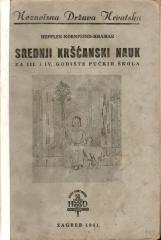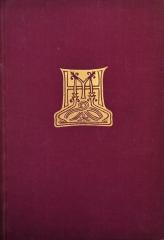
Tumač obćemu austrijskomu gradjanskomu zakoniku I - II
Opšti austrijski građanski zakonik, objavljen 1811. godine, predstavlja drugu značajnu kodifikaciju građanskog prava u Evropi posle čuvenog francuskog građanskog zakonika iz 1804. godine. OGZ u Hrvatskoj i Slavoniji uveden je 1852. godine, kada je carski
Opšti građanski zakonik, (Allgemeine Burgerliche Gesetzbuch), koji je stupio na snagu 1. januara 1812. godine u svim državama koje su tada pripadale austrijskoj kruni, a u ostalim zemljama monarhije prema hronologiji datoj u prethodnom delu god. ovo delo, značajno je promenilo austrijsko feudalno društvo u celini i donelo temelje za reformu tog društva u njegovim korenima. Do ovih promena nije došlo odmah nakon početka primene OGZ u austrijskim zemljama, ali su svakako nastupile posle revolucionarne 1848. godine, kada su zahtevi širih slojeva naroda u monarhiji i revolucionarni uticaji van granica država primorala političku elitu da izvrši neophodne promene u političkom i pravnom sistemu. Priča se da je OGZ stupio na snagu u pojedinim krajevima Istre i Dalmacije, počev od 1. oktobra 1815. godine, a zaključno sa 1. oktobra 1816. godine, u Karlovačkom okrugu, 1. januara 1820. godine, koji je nekada bio Kraljevina sv. Ilirija, pod francuskom upravom, da bi konačno bila uvedena 20. novembra 1852. godine, a stupila na snagu u Hrvatskoj i Slavoniji 1. maja 1853. zajedno sa Ugarskom, Srpskom Vojvodinom i Tamiškim Banatom.
Ipak, OGZ je, kao opšti i jedinstveni građanski zakonik, kratko vreme bio u upotrebi i na snazi u celoj monarhiji jer je Mađarska uspela da građanski zakonik poništi centralna vlada u Beču. OGZ je bio na snazi u celoj Habzburškoj monarhiji do 1. maja 1861. godine, a od tog dana, kada su u Ugarskoj prestale sa radom carske i kraljevske sudske oblasti. Ovome je prethodila tzv Oktobarska diploma, kojom je bečki sud vratio sudsko zakonodavstvo saboru zemalja ugarske krune. Prema toj odluci, odlukom od 20. januara 1861. godine raspušteno je mađarsko odeljenje Carsko-kraljevskog vrhovnog suda i Vrhovnog gradskog suda, a reorganizovana je Kraljevska trpeza sedmorice. Na osnovu ovakvog stanja u Pešti je 22. januara 1861. godine otvorena konferencija Judek Curiae koju su sačinjavali septemviri, svi vrsni poznavaoci ugarskog prava, a njihov zadatak je bio da organizuju nezavisno mađarsko sudstvo, što je takođe odobreno. rukom carskim pismom od 20. oktobra 1860. godine.
Jedna od temeljnih karakteristika OGZ-a je da je preko njega hrvatski pravni poredak uspostavio svoju vezu sa kontinentalno-evropskim pravnim krugom, njegovom podgrupom, koja se naziva srednjoevropsko pravo, i deo je rimsko-germanske pravne tradicije. 68 Već iz ranijeg dela izlaganja ove teme vidljivo je da je ovaj zakonik bio neobično važan za celu državu, pa su i vlastodršci tražili od radnih grupa poseban pristup kreiranju osnove zakonika, a mi smo pokazao da je sličan postupak u drugim državama koje su prethodno kodifikovale privatno pravo iz Austrijskog carstva. Zbog svog značaja, kodifikacija privatnog prava, kao svojevrsna lančana reakcija, izazvala je čitav niz izmena i donošenja novih propisa i zakona, koji možda nemaju direktnu vezu sa privatnim pravom, a ne odnose se isključivo na nego se posredno tiču ili delimično regulišu odnose iu privatnom pravu, a po svom sadržaju pripadaju javnom pravu.
OGZ je bio na snazi na teritoriji koja je bila u sastavu Austrougarske monarhije i u prvoj i drugoj Jugoslaviji sve dok ovi propisi iz privatnog prava nisu zamenjeni nacionalnim. Zemlje u kojima je važio bile su Dalmacija i Istra; Hrvatska i Slavonija; Vojvodina; Slovenija. Važio je i u Lombardiji i Venetu (Venecija) sve do ujedinjenja Italije, u drugoj polovini 19. veka. veka. Još uvek je na snazi u Republici Austriji, izmenjen 1914-1916.
Knjiga se sastoji od dva toma.
Jedan višetomni primerak je u ponudi.

- Zapisi olovkom

- Oštećena leđa