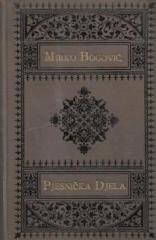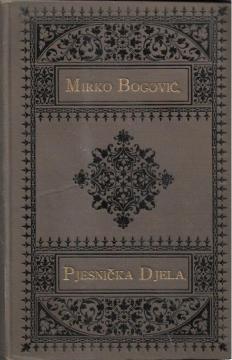
Pjesnička djela I: Matija Gubec - Stjepan, posljednji kralj bosanski
Prvi tom Bogovićevih Poetskih dela donosi dve istorijske drame: Matija Gubec (Seljački kralj) i Stjepan, poslednji kralj Bosne. Klasične romantične tragedije ilirskog pokreta sa patriotskim i nacionalnim temama.
Knjiga je objavljena kao prvi tom sabranih Poetskih delaMirka Bogovića. Uvod i urednički rad potpisao je Milivoj Šrepel. Ovo je deo sistematskog izdanja Bogovićevog dela nakon njegove smrti 1893. godine.
Matija Gubec (Seljački kralj) – drama u pet činova, napisana 1859. godine – smatra se Bogovićevim najuspešnijim dramskim delom. To je prva hrvatska istorijska drama u kojoj seljaci postaju glavni protagonisti. Bogović prikazuje seljačku bunu iz 1573. godine, vođu Matiju Gubca i njegove istomišljenike u borbi protiv feudalnog ugnjetavanja. Drama je snažno društveno obojena, puna romantičnog oduševljenja za pravdu i slobodu, i bila je među prvima u hrvatskoj književnosti koja je veličala seljačku bunu. Premijerno je izvedena 1878. godine i dugo je ostala u pozorišnom repertoaru.
Stjepan, poslednji bosanski kralj – drama u pet činova, napisana u zatvoru 1854. godine, objavljena 1857. godine – je istorijska tragedija o poslednjem bosanskom kralju Stjepanu Tomaševiću i padu Bosne pod Osmansko carstvo 1463. godine. Bogović ističe teme unutrašnjeg neslaganja, izdaje i ambicije među plemićima kao glavne uzroke pada. Drama se oslanja na Šekspirove uzore (posebno Makbeta) i nosi jasne političke aluzije na hrvatski položaj u Habzburškoj monarhiji.
Obe drame pripadaju vrhuncu hrvatskog romantizma i ilirskog pokreta. Kroz istorijske teme, Bogović propoveda nacionalno buđenje, otpor stranoj vlasti, socijalnu pravdu i jedinstvo. Njegov stil karakteriše patos, retorički entuzijazam i melodični stih, tipičan za romantičnu dramu 19. veka.
Mirko Bogović (1816–1893), rođen u Varaždinu, bio je advokat, političar, ilirac i jedan od najplodnijih hrvatskih pisaca svog vremena. Zbog svojih političkih aktivnosti više puta je bio zatvaran. Pored drama, pisao je patriotske pesme, satire i kratke priče. Bio je veoma popularan u svoje vreme, a njegova dela su imala snažan uticaj na formiranje hrvatske nacionalne svesti.
Ovo izdanje iz 1893. godine je važan izvor za proučavanje hrvatske književnosti romantizma i ilirizma. Danas je antikvarna retkost, tražena među ljubiteljima starije hrvatske književnosti, istoričarima i pozorišnim stručnjacima. Knjiga spaja dramsku snagu sa dubokim patriotskim porukama i ostaje svedočanstvo Bogovićeve vizije hrvatske istorije i nacionalnog identiteta.
Jedan primerak je u ponudi
- Tragovi patine