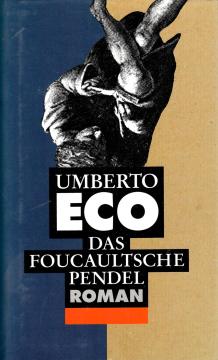
Das Foucaultsche Pendel
Tri milanska urednika iz dosade izmisle gigantski “Plan” zavjere povezan s templarima i okultnim društvima. Igra postaje smrtonosna stvarnost.
Foucaultovo njihalo (1988) drugi je roman Umberta Eca, kompleksno postmoderno djelo koje spaja elemente povijesnog romana, trilera, satirične komedije i filozofskog traktata. Naslov se odnosi na Foucaultovo njihalo u pariškom Musée des Arts et Métiers – simbol rotacije Zemlje i, u romanu, središte kozmičke moći prema izmišljenoj zavjeri.
Radnja prati trojicu urednika u milanskoj izdavačkoj kući Garamond/Manutius: Jacopa Belba, Diotallevija i pripovjedača Casaubona. Okruženi rukopisima opskurnih autora opsjednutih okultizmom (tzv. diabolici), oni iz dosade i intelektualne igre konstruiraju “Plan” – gigantsku meta-zavjeru koja povezuje vitezove templare (nakon njihova ukinuća 1307.), rozenkrojcere, slobodne zidare, kabalu, umbandske rituale i druge tajne organizacije u jedinstvenu shemu svjetske dominacije temeljenu na telluričkim strujama. Koristeći računalo Abulafia, nasumično spajaju povijesne činjenice, legende i pseudoznanost u koherentnu, ali potpuno izmišljenu naraciju.
Ono što počinje kao intelektualna šala i parodija na opsesiju zavjerama ubrzo prelazi u opasnu stvarnost. Ljudi povezani s Planom nestaju ili bivaju ubijeni, a stvarni okultisti i fanatici vjeruju u njihovu konstrukciju te je pokušavaju ostvariti. Roman istražuje opasnost od semiotičkog “viška tumačenja” svijeta – vjerovanje da iza svake slučajnosti stoji skriveni smisao. Eco majstorski pokazuje kako fikcija može oblikovati stvarnost i kako želja za smislom može dovesti do paranoje, nasilja i gubitka identiteta.
Struktura romana je složena: priča teče u više vremenskih slojeva, s bogatim flashbackovima, citatima, aluzijama na povijest, filozofiju, semiotiku i književnost. Eco se poigrava s čitateljem – knjiga je istovremeno zabavna, napeta i duboko ironična. Satira je usmjerena na konspirativno mišljenje, pseudoznanost i intelektualni snobizam, ali i na samu postmodernu igru značenjima.
„Foucaultovo njihalo“ smatra se jednim od najambicioznijih Ecovih djela – eruditskim, zahtjevnim i intelektualno stimulirajućim. Mnogi ga uspoređuju s Imenom ruže, ali je ovdje naglasak više na suvremenosti, ironiji i kritici društva opsjednutog tajnama. Roman upozorava: tko previše traži skriveni Plan u povijesti, riskira da ga sam stvori – s tragičnim posljedicama. Klasik suvremene svjetske književnosti koji nagrađuje strpljivog čitatelja bogatstvom ideja i pripovjedačke virtuoznosti.
Jedan primerak je u ponudi