Retke knjige
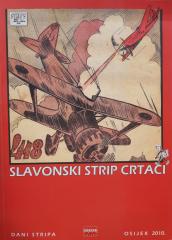
Slavonski strip crtači
Knjiga Slavonski strip-crtači premijerno donosi izbor iz opusa 70 panonskih majstora stripa koji su po kvaliteti i kvantiteti dali nemjerljiv doprinos povijesti hrvatskog stripa.
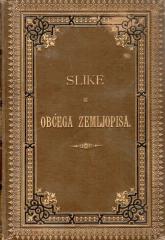
Slike iz obćega zemljopisa. Knjiga V., dio II.: Bugarska - Srbija - Crna Gora
„Slike iz općega zemljopisa“ je popularno geografsko delo koje prikazuje Bugarsku, Srbiju i Crnu Goru kroz njihove prirodne karakteristike, stanovništvo, istoriju, privredu i kulturu, uz brojne ilustracije i geografsku kartu.
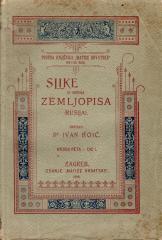
Slike iz obćega zemljopisa. Knjiga V., dio I.: Rusija
Slike iz opšte geografije. Knjiga V, Deo I.: Rusija je geografsko delo Ivana Hoića koje pruža sistematski pregled Ruskog carstva, njegovih prirodnih karakteristika, stanovništva, privrede i kulture.
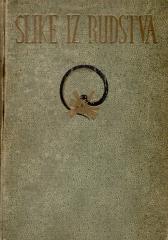
Slike iz rudstva
Traženo popularno naučno delo koje predstavlja poreklo, vrste i ekonomski značaj minerala i razvoj rudarstva. Autori jednostavno objašnjavaju minerale, metale i njihovu primenu. Sa sedam tabela u boji.
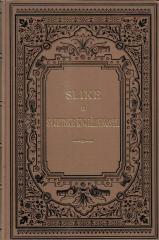
Slike iz svjetske književnosti III: Ruska književnost u osamnaestom stoljeću
Knjiga, u originalnom tvrdom povezu u stilu secesije i dodeljena od strane Fondacije Adolf Veber-Tkalčević za 1894. godinu, predstavlja pionirsko delo hrvatske književne teorije i uvod u temeljno proučavanje razvoja ruske književnosti u 18. veku.
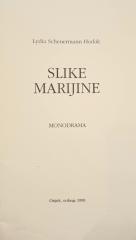
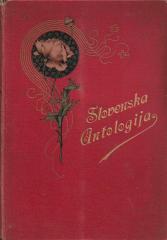
Slovenska antologija – Cvieće slovenskoga pjesničtva
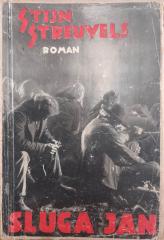
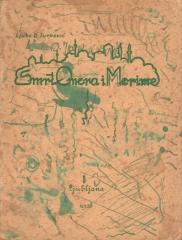
Smrt Omera i Merime – skica za kino-dramatizaciju narodne pesme
Kratka filmska adaptacija čuvene narodne balade o tragičnoj ljubavi Omera i Merime. Numerisani primerak, broj 386.
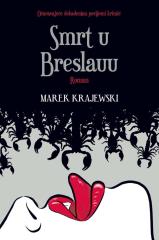
Smrt u Breslauu
Roman „Smrt u Breslauu“ je vrhunski istorijski krimi triler, a Eberhard Mok je već klasična figura svetske književnosti. Prvi deo serijala – mračan, atmosferski, brutalno realističan prikaz predratne Nemačke.