Matica hrvatska
Ul. Matice hrvatske 2
10000Zagreb
Hrvatska
Naslovi u ponudi
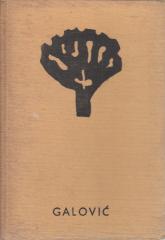
Poezija i proza
Izbor pesama i proze Frana Galovića, koji je priredila Nada Pavičić-Spalatin, predstavlja presek stvaralaštva jednog od najistaknutijih predstavnika hrvatskog modernizma.
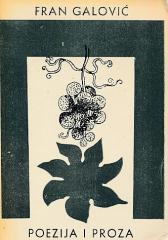
Poezija i proza
„Poezija i proza“ Frana Galovića je posthumna publikacija koja objedinjuje odabrane pesme i prozne tekstove jednog od najznačajnijih predstavnika druge generacije hrvatskog modernizma.
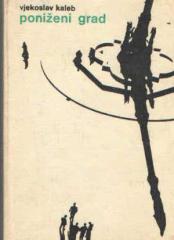
Poniženi grad
Dieses Buch basierte auf der Prosa Ponižena ulica (Zora, Zagreb, 1950).
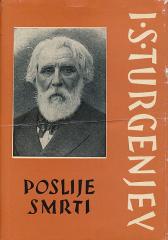
Poslije smrti
Mistična i tragična novela o usamljenom Jakovu koji nakon samoubojstva tajanstvene djevojke Klare postaje opsjednut njezinim likom, brišući granicu između stvarnosti, smrti i ljubavi.
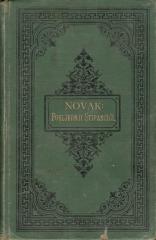
Posljednji Stipančići: Povijest jedne patricijske obitelji
Klasik Vjenceslava Novaka o propadanju ugledne senjske građanske obitelji Stipančić. Prvo izdanje iz 1899. smatra se jednim od najznačajnijih i antikvarno najtraženijih djela hrvatske književnosti 19. stoljeća.
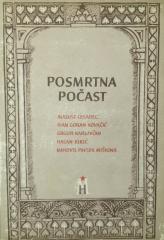
Posmrtna počast
"Uspomeni petorice hrvatskih književnika, koji su pali žrtvom fašističkog krvološtva za vrijeme okupacije naše domovine, posvećuje ovu knjigu Matica hrvatska."
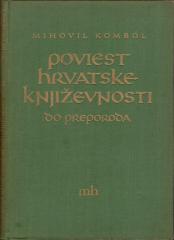
Poviest hrvatske književnosti do narodnog preporoda
Pregled razvoja hrvatske književnosti od srednjeg vijeka do narodnog preporoda. Kombol prikazuje glavne autore, žanrove i književne tokove koji su oblikovali temelj nacionalne tradicije.