Erich Maria Remarque
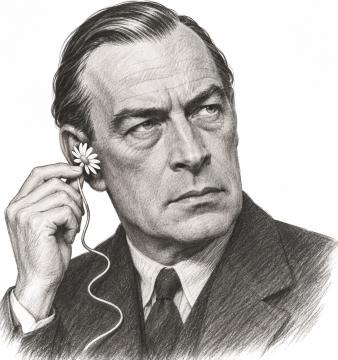
What is left of the speeches about glory that boys hear at school when one of them hears his first shell? In All Quiet on the Western Front (1929), Erich Maria Remarque (1898–1970) leaves the answer to Paul Bäumer, a young man who goes to the front with boys his own age. Life in the trenches determines what he eats, when he sleeps and whose name he will still be able to call tomorrow. From such everyday details came one of the most widely read anti-war novels of the twentieth century.
Remarque was born in Osnabrück as Erich Paul Remark. He served in the German army during the First World War and was wounded. After the war he worked as a journalist in Hanover and Berlin. His novel about the Western Front made him famous, and in 1933 the Nazis burned his books. He lived in Switzerland and the United States and died in Locarno.
The Road Back (1931) follows former soldiers trying to find their footing in civilian life. In Three Comrades, friendship and love give people something to hold on to in the unsettled years between the wars. Flotsam (1941) and Arch of Triumph portray refugees whose lives can turn on a border crossing, a police check or the lack of valid papers.
In A Time to Love and a Time to Die (Zeit zu leben und Zeit zu sterben, 1954), the German soldier Ernst Graeber comes home on leave from the Eastern Front to find his hometown bombed. While looking for his parents, he meets Elisabeth again. They grow close as the days before his return to the front run down.
From Bäumer’s trench to Graeber’s leave, Remarque follows people whose choices are narrowed by history. His novels are most intimate when a great historical upheaval comes down to an immediate question: where to spend the night, whom to trust and how much time you have left with someone you love.
Naslovi u ponudi
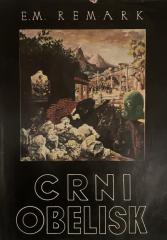
Crni obelisk
In einer Reihe von Episoden schildert der Roman den Alltag im Zeitalter der Inflation, Liebesbeziehungen, politische Spannungen und ein wachsendes Gefühl der Hoffnungslosigkeit, aber auch Ironie und Humor als Mittel zum Überleben.

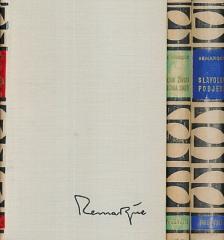
Doba života, doba smrti / Slavoluk pobjede / Ljubi bližnjega svoga
Ausgewählte Werke von Remarque in drei Bänden.

Doba života i doba smrti
Der deutsche Soldat Ernst Graeber kehrt während eines Fronturlaubs in seine zerstörte Heimatstadt zurück und findet inmitten des Krieges die Liebe. Ein Roman über Gewissen, Schuld, Menschlichkeit und Vergänglichkeit.

Iskra života
Spark of Life follows a group of inmates in a Nazi concentration camp who, despite the constant terror, retain their moral strength and humanity. The novel depicts the struggle of the spirit against systematic destruction and the need for hope.
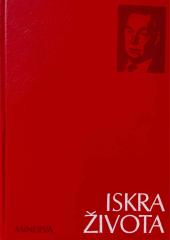
Iskra života
Spark of Life follows a group of inmates in a Nazi concentration camp who, despite the constant terror, retain their moral strength and humanity. The novel depicts the struggle of the spirit against systematic destruction and the need for hope.
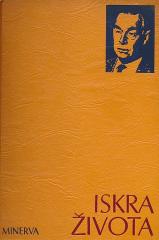
Iskra života
Iskra života prati skupinu logoraša u nacističkom koncentracijskom logoru koji, unatoč neprekidnom teroru, zadržavaju moralnu snagu i ljudskost. Roman prikazuje borbu duha protiv sustavnog uništenja i potrebu za nadom.
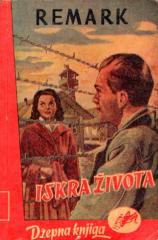
Iskra života
Iskra života prati skupinu logoraša u nacističkom koncentracijskom logoru koji, unatoč neprekidnom teroru, zadržavaju moralnu snagu i ljudskost. Roman prikazuje borbu duha protiv sustavnog uništenja i potrebu za nadom.

Izabrana djela 10: Noć u Lisabonu
„Eine Nacht in Lissabon“ erzählt die Geschichte eines deutschen Flüchtlings, der eines Abends einem Fremden seine Lebensgeschichte anvertraut. Der Roman handelt von Verfolgung, Liebe, Verlust und der Hoffnung, dem Nationalsozialismus zu entkommen.
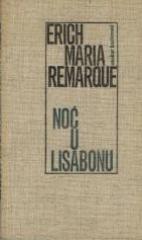
Izabrana djela 10: Noć u Lisabonu
Noć u Lisabonu prati njemačkog izbjeglicu koji u jednoj noći neznancu pripovijeda svoju životnu priču. Roman govori o progonu, ljubavi, gubitku i nadi u bijeg od nacizma.