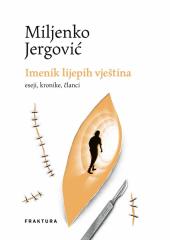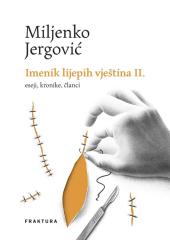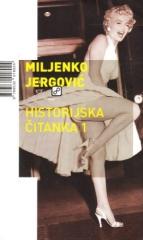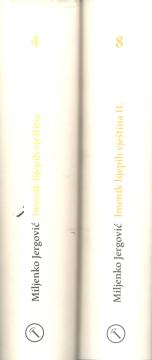
Imenik lijepih vještina I-II
Im „Verzeichnis der Schönen Künste“ erkundet Miljenko Jergović vielfältige Themen von Literatur bis Geschichte und würdigt Kunst und Exzellenz. Seine Essays zeugen von tiefem Verständnis, durchdrungen von intellektueller Leidenschaft und Liebe zum geschri
Auf der umfangreichen und vielschichtigen Landkarte von Jergovićs literarischem Werk, das sich noch immer formt und entwickelt, nimmt der diskursive Text auf all seinen Genre- und Themenebenen eine Sonderstellung ein. Schon in seinen ersten Zeitungsartikeln, für die er 1990 den Veselko-Tenžera-Preis erhielt – damals die bedeutendste Auszeichnung dieser Art in Jugoslawien –, beweist Jergović einen unverwechselbaren Stil, der mühelos die typologischen Grenzen von Essays, Kolumnen, Kommentaren, persönlichen Erinnerungen und erzählender Prosa sprengt und alles zu einem spezifischen Amalgam seines Essayismus verschmilzt. Im Laufe der Zeit erweitert sich das thematische Spektrum seiner Interessen in riesigen konzentrischen Kreisen: Literatur und Bücher an erster Stelle, aber auch Film, Malerei, Musik (alles: Klassik, Neue Musik, Volksmusik…), Comics, Fußball, die entstehende Realität mit all ihren Wundern, selten gut, meist böse, politische Geschichte, Identitätsdramen der Nach-Berliner Ära, mit besonderem Gespür für die soziale Stellung aller Arten von Minderheiten… Jergovićs Essay: ein Zeugnis eines unstillbaren spirituellen Hungers, die Gesamtheit der Realität, die ganze Welt, mit einem Text zu erfassen oder zumindest zu berühren. Es ist ein erstaunlicher und zugleich beängstigender Hunger, großartig und natürlich vergeblich. Vergeblichkeit? Man kann annehmen, dass der Autor sie auch kennt, denn er selbst gibt in seinen Texten zahlreiche Hinweise darauf, und seine Unnachgiebigkeit bei der täglichen Umsetzung des genannten Plans sowie sein Glaube an den Text als letzte Bastion der Bedeutung lassen auf eine Art stoisch errungene Versöhnung schließen. Doch all dies wäre zweitrangig ohne die immense Kraft des Schreibens, der Sprache, durch die Jergovićs Text uns fesselt, uns aufrüttelt, uns provoziert und vor allem echte Begeisterung beim Leser weckt. – Ivan Lovrenović
Das Buch besteht aus zwei Bänden.
Angeboten wird ein Exemplar.