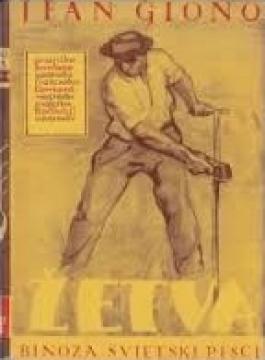
Žetva
Im verlassenen provenzalischen Dorf Aubignane lebt der Einsiedler Panturle. Die Ankunft der jungen Arsula verändert sein Leben und erweckt nach und nach das Dorf wieder zum Leben, das dem Untergang geweiht war. Mit einem Vorwort von Josip Bogner.
Der Roman Die Ernte erschien 1930 als letzter Teil von Gions „Pan-Trilogie“. Die Handlung spielt im abgelegenen provenzalischen Dorf Aubignane, das im Niedergang begriffen ist. Die einstige Dorfgemeinschaft ist fast verschwunden; nur die Alten und der Einsiedler Panturle leben noch dort. Das Dorf wird allmählich zum Symbol einer Welt, die ihre Vitalität und ihre Verbindung zur Natur verliert.
Die Hauptfigur, Panturle, ist ein starker, aber einsamer Mann. Er lebt beinahe wie ein Wilder, ohne klares Ziel oder Hoffnung. Der Wendepunkt kommt, als er Arsule begegnet, einer jungen Frau, die mit dem Messerschleifer Gédémus reist. Nach einigen Ereignissen bleibt Arsule an Panturles Seite. Ihre Liebe wird nicht romantisch und sentimental dargestellt, sondern als eine Lebenskraft, die die schlummernden Möglichkeiten des Menschen erweckt. Dank Arsule beginnt Panturle wieder, das Land zu bestellen, Getreide zu säen und sich ein Zuhause zu schaffen. Die Erneuerung ihrer Beziehung wird zur Erneuerung des gesamten Dorfes.
Die philosophische Dimension des Romans liegt in der Idee des Wiedererwachens – des zweiten Wachstums, des Neubeginns nach der Ernte. Dieses Konzept symbolisiert die Möglichkeit eines Neuanfangs nach dem Verfall. Giono betrachtet die Natur nicht als Kulisse, sondern als lebendige Kraft, mit der der Mensch in Einklang leben muss. Die Natur besitzt eine beinahe mythische Präsenz; Wind, Erde und Jahreszeiten wirken aktiv in der Handlung mit. Der Mensch beherrscht die Natur nicht, sondern arbeitet mit ihr zusammen.
Der Roman ist daher nicht nur eine Geschichte über das Dorf, sondern auch über die Wiedergeburt des menschlichen Geistes. Liebe, Arbeit und die Verbundenheit mit dem Land ermöglichen es dem Leben, Einsamkeit, Unfruchtbarkeit und Tod zu überwinden. Das Ende, das eine neue Ernte und ein neues Kind ankündigt, symbolisiert den Triumph der schöpferischen Energie und der Zukunft. Gerade wegen dieser universellen Botschaft gilt „Die Ernte“ als eines von Gionos wichtigsten Werken.
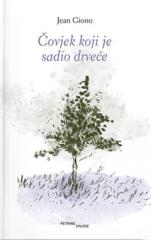
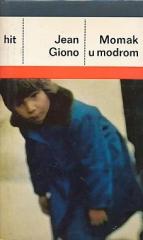
Es werden zwei Exemplare angeboten
Kopiennummer 1
- Die Abdeckung fehlt
Kopiennummer 2
- Pohabane korice
- Nedostaje omot