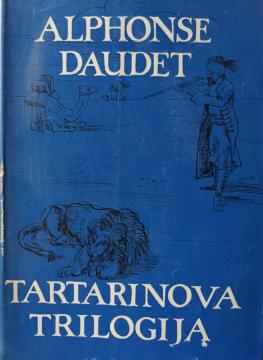
Tartarinova triologija - Čudesne pustolovine Tartarina Tarasconca
Alphonse Daudets „Tartarine-Trilogie“ erzählt die Abenteuer des prahlerischen Tartarinen von Tarascon, dessen Fantasien von Heldentum und großen Taten ständig mit der Realität kollidieren.
Die Tartarin-Trilogie von Alphonse Daudet umfasst drei Romane: Die wundersamen Abenteuer des Tartarin von Tarascon, Tartarin in den Alpen und Tartarin auf den Inseln. Im Mittelpunkt aller Werke steht Tartarin, ein eigenwilliger Bewohner der südfranzösischen Stadt Tarascon, ein Mann mit blühender Fantasie, großem Selbstvertrauen und einer unstillbaren Abenteuerlust.
Im ersten Roman reist Tartarin nach Algier, um Löwen zu jagen und sich als großer Held zu beweisen. Doch seine fantasievollen Abenteuer weichen oft von der Realität ab, sodass er sich, anstatt ein berühmter Jäger zu werden, als tollpatschiger, aber liebenswerter Mann entpuppt, der sich in ungewöhnlichen Situationen zurechtfindet. Im zweiten Band der Trilogie zieht es ihn in die Alpen, wo er neue Herausforderungen sucht und als Entdecker Ruhm erlangen will. Doch erneut gerät er in einen Konflikt zwischen seinen Erwartungen und der Realität. Im dritten Teil reist er auf die Inseln, wo seine abenteuerlichen Ambitionen erneut in eine Reihe komischer Situationen münden.
Durch die Figur des Tartarin porträtiert Daudet humorvoll die menschliche Neigung zur Übertreibung, Prahlerei und Selbstinszenierung. Tartarin ist kein gewöhnlicher Schwindler – er glaubt aufrichtig an seine Geschichten, hegt edle Absichten und wünscht sich ein aufregendes Leben.
Die Trilogie ist sowohl ein Abenteuerroman als auch eine Satire auf die Gesellschaft. Der Autor verspottet falschen Heldenmut, koloniale Vorstellungen und das Bedürfnis der Menschen, wichtiger zu erscheinen, als sie sind. Die zentrale Botschaft des Werkes lautet: Fantasie und Träume sind wichtig, doch der wahre Wert eines Menschen erwächst aus Ehrlichkeit, Mut und der Fähigkeit, die Realität zu akzeptieren.
Angeboten wird ein Exemplar