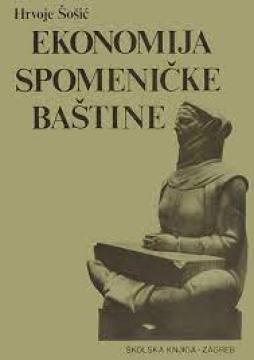
Ekonomija spomeničke baštine
Angeboten wird ein Exemplar

Angeboten wird ein Exemplar
Interessieren Sie sich für ein anderes Buch? Sie können das Angebot über unsere Suchmaschine suchen und finden oder Bücher nach Kategorien durchsuchen.
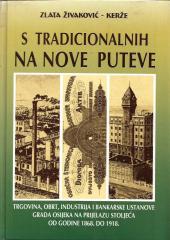
The book explores the economic development of Osijek after the Croatian-Hungarian Settlement until the end of World War I. Osijek, as an important center of Slavonia, experienced a significant economic boom thanks to its location on the Drava River and th
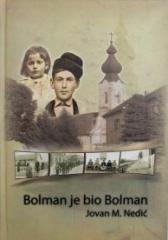
Monograph on the Baranja village of Bolman. The book has three main parts: "From the history of the village and the church municipality", "Bolman was Bolman – Vidoja Bijelić's memories" and "Ledari", with a description of Bolman's customs and mentality.
The book describes how the Western Balkans, after initial democratic hopes in the 2000s, slipped into competitive authoritarianism. It explains the mechanisms of "strongman" rule, the role of EU stabilocracy and why democracy does not consolidate.
A classic work by one of the most influential sociologists of the 20th century, the founder of "figurative" or "process" sociology. The book is a programmatic manifesto against the then dominant structural-functionalist paradigm (Parsons) and pure positiv
Profesori Milena Dragićević Šešić i Branimir Stojković napisali su knjigu u kojoj su na veoma jednostavan način objašnjene ili prvi put predstavljene neke od osnova koje oblikuju profesiju zvanu menadžer kulture.
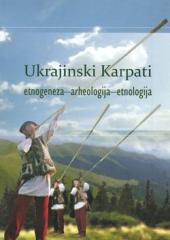
Zbornik predstavlja interdisciplinarni most između ukrajinske i hrvatske nauke, podstičući uporedna istraživanja slovenskih migracija. Ona predstavlja Karpate kao „živi arhipelag“ koji povezuje Istok i Zapad, važan za hrvatsku etnogenezu i slavistiku.