Antique books
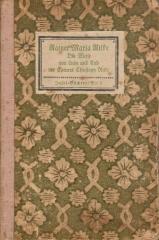
Die Weise von Liebe und Tod des Cornets Christoph Rilke
Antikvarno izdanje Rilkeova ranog djela Die Weise von Liebe und Tod des Cornets Christoph Rilke donosi poetsku prozu o ljubavi, ratu i smrti te ima posebnu vrijednost za kolekcionare ranih izdanja.
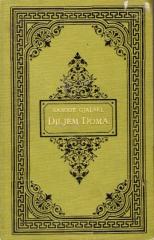
Diljem doma: zapisci i priče
"Around the Home: Notes and Stories" by Ksaver Šandor Gjalski (1899) is a collection of realistic sketches, notes and stories from Croatian, mostly Zagorje life, with an emphasis on the decline of the nobility and images of everyday domestic life.

Diogenes 1

Diogenes (Book 5 of Collected Works) is a historical novel set in the 18th century, which, through political intrigue, corruption, and the struggle for power in Habsburg Croatia, presents a vivid picture of society and the fate of the individual against p

Disraeli: Lord Beaconsfield
In his biography "Disraeli," Maurois depicts the life of British statesman Benjamin Disraeli, his political rise, literary work, and role in shaping 19th-century British politics.
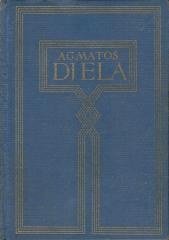
Djala 9: Pečalba - Kaprisi i feljtoni
Book of Works 9: Pečalba – Caprices and Feuilletons is a collection of caprices, feuilletons and satirical writings with sharp criticism of society, irony, humor and Matoš's bohemian, polemical spirit.

Djavolica
A contribution to the psychology of daughters from better families
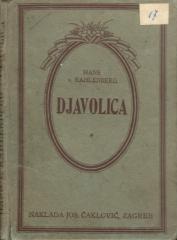
Djavolica: prilog psihologiji kćeri iz boljih obitelji
The Devil (1920) is a psychological novel about a "devil" - a rebellious, erotic and complex daughter from a well-off bourgeois family. A contribution to upper-class psychology, with an emphasis on the sexual and social awakening of a young woman.
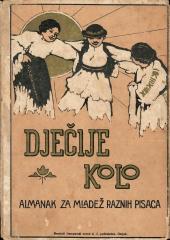
Dječije kolo – almanah za mladež raznih pisaca
The Children's Circle is a rare children's almanac from 1921, edited by Osijek writer and educator Rudolfo Franjin Magjer. It contains selected texts (songs, stories, educational essays) by several writers intended for young people.
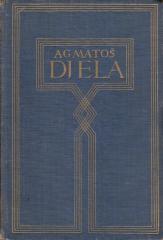
Djela 1: Iverje / Novo iverje
The first volume of the first critical edition of Matoš's collected works brings together early collections of sketches and short stories, Iverje (1899) and Novo iverje (1900) - humorous, satirical and fantastic stories with autobiographical motifs.

Djela 3: Umorne priče
Treći svezak Barčevog kritičkog izdanja Djela A. G. Matoša (1935.–1940.) sadrži zbirku Umorne priče (1909.), zrele novele i crtice s temama umora, ljubavi, smrti, satire i modernog života.