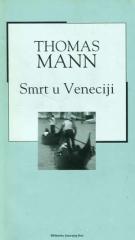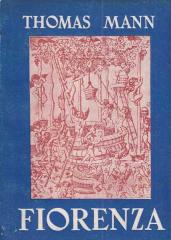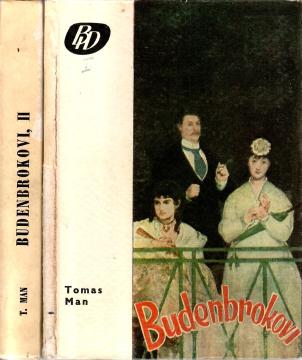
Budenbrokovi
Die Buddenbrooks sind nicht nur eine Familienchronik – sie sind ein tiefgründiges, melancholisches Fresko darüber, wie Zeit und Wandel unaufhaltsam in das Innere einer respektablen bürgerlichen Familie eindringen und einen Niedergang mit sich bringen, der
Mann schrieb den Roman mit nur 26 Jahren und verarbeitete darin seine eigene Familiengeschichte aus Lübeck – einer Stadt, die im Buch nie explizit erwähnt wird, aber in jeder Szene, in jeder Beschreibung eines Hauses, eines Abendessens, eines Geschäftsgesprächs spürbar ist. Die Geschichte folgt vier Generationen der Familie Buddenbrook, wohlhabenden Getreide- und Warenhändlern in Norddeutschland, vom Höhepunkt ihres Wohlstands im Jahr 1835 bis zu ihrem völligen Niedergang in den späten 1870er Jahren. Was als Bild von Stabilität, Tradition und Stolz beginnt – Familienessen, geschäftliche Erfolge, Vernunftehen –, wandelt sich allmählich zu einer Geschichte des Verlustes: finanzieller, moralischer und spiritueller Art.
Im Zentrum stehen Figuren, die die Last ihres Erbes tragen: der alte Johann, die Verkörperung der alten hanseatischen Disziplin; sein Sohn Thomas, der im Zeitalter der Industrialisierung darum kämpft, das Unternehmen am Laufen zu halten, aber spürt, wie ihm das Leben entgleitet; seine Schwester Tony, lebensfroh und stolz, deren Ehen und Lebensentscheidungen zu Symbolen des vergeblichen Widerstands gegen den Wandel werden; Bruder Christian, exzentrisch und ungeeignet für das bürgerliche Leben, verkörpert am deutlichsten die Kluft zwischen der alten und der neuen Welt. Und dann ist da Hanno, der Jüngste – ein sensibler, künstlerisch begabter Junge, der die Musik der Arbeit vorzieht und dessen Schicksal den endgültigen Bruch mit der Tradition symbolisiert.
Mann schreibt mit Ironie, aber auch mit Mitgefühl – hier gibt es keine Karikatur, sondern ein subtiles Verständnis dafür, wie sich das Bürgertum von innen heraus zerfrisst: wenn Werte zu starren Formen verkommen, wenn Arbeit von Leidenschaft getrennt wird, wenn Individualität unter der Last des Familiennamens erstickt wird. Der Roman ist reich an Details – Essensgerüchen, dem Rascheln von Kleidern, den Geräuschen des Hafens –, die die Welt greifbar, beinahe filmisch erscheinen lassen.
Für diesen Roman erhielt Mann 1929 den Nobelpreis, und er ist bis heute sein zugänglichstes und beliebtestes Werk – eine universelle Geschichte vom Zerfall großer Familien und Epochen, nicht in großen Katastrophen, sondern in stillen, alltäglichen Niederlagen.
Das Buch besteht aus zwei Bänden.
Angeboten wird ein Exemplar.
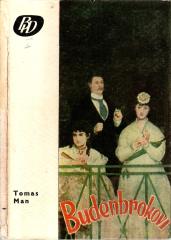
- Leichte Beschädigung der Abdeckung
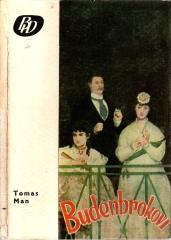
- Beschädigte Abdeckung