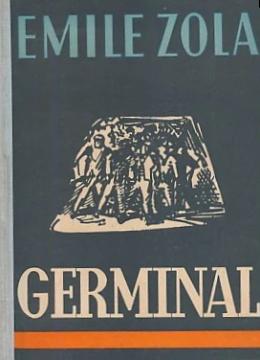
Germinal

Émile Zola's naturalistic classic about the harsh life and strike of miners in the north of France in the 19th century, their struggle against poverty and injustice and the birth of workers' solidarity and hope.
The novel Germinal (1885) is a masterpiece by the French writer Émile Zola and the thirteenth volume of his renowned Les Rougon-Macquart cycle, in which the author—with documentary precision and sharp social criticism—depicts the plight of the working class during the Industrial Revolution. The protagonist is Étienne Lantier, a young, unemployed machine operator who arrives in the mining settlement of Montsou in northern France and finds work at the Le Voreux coal mine. Confronted with inhumane working conditions, hunger, disease, and unscrupulous exploitation by wealthy mine owners, Étienne becomes the catalyst and leader of a major workers' strike. Through the harrowing fates of the Maheu family—a narrative woven with love, despair, violence, and sacrifice—Zola portrays the grim reality of an underground world where humans and animals alike barely survive, while indifferent capital reigns above. The author writes in a powerful, vivid, and uncompromising style, blending raw naturalism with epic intensity and profound empathy for the oppressed. Germinal remains one of the most significant social novels in world literature and an enduring symbol of the struggle for workers' rights and human dignity.
Angeboten wird ein Exemplar
- Pohabane korice
- Tragovi patine