Colomba / Carmen / Lokis
In the novels Colomba, Carmen and Lokis, Prosper Mérimée depicts the conflict of passion, tradition and reason, exploring revenge, love, violence and the dark side of human nature.
Colomba, Carmen and Lokis are the three most famous novellas of the French writer Prosper Mérimée, a representative of realism and romanticism, known for his concise style, psychological persuasiveness and interest in exotic environments.
Although the actions take place in different parts of Europe - in Corsica, in Spain and Lithuania - all three works are connected by strong human passions, the conflict between civilizational values and ancient customs, and a sense of inevitable destiny.
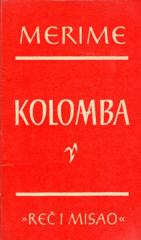
In Colomba, the author shows the Corsican custom of blood revenge through the story of a sister who tries to persuade her brother to avenge his father's death. The work contrasts the traditional code of honor with a modern way of thinking and questions whether violence can be justified by custom and family duty.
In Carmen, the central theme is the destructive passion of love. Free-spirited and untamed Carmen seduces the soldier Don José, whose obsessive love gradually turns into jealousy, violence and tragedy. The novel explores the conflict between individual freedom and possessive love and shows how uncontrolled emotions can destroy human life.
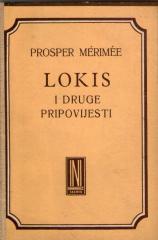
Lokis introduces elements of fantasy and psychological thriller. The story is about the Lithuanian nobleman Mihail Šemiots, for whom there is a legend that he was attacked by a bear before he was born, which is why it is suspected that he has an animal nature. The line between reality and the supernatural remains unclear, and the author explores the question of heredity, drive and human consciousness.
In all of Mérimée's works, she combines a realistic depiction of society with tension, an exotic setting and a deep psychological analysis of the characters. His heroes are often driven by passion, a sense of duty or inner urges, which is why they end up tragically.
The common message of these novels warns of the destructive power of uncontrolled feelings, the power of social customs and the limits of human freedom. Thanks to the combination of realism, romanticism and psychological analysis, Colomba, Carmen and Lokis remain permanently valuable works of European literature.
Es werden zwei Exemplare angeboten