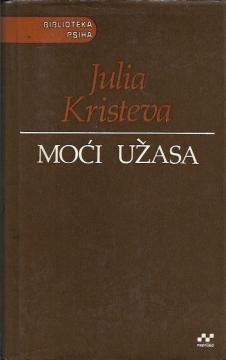
Moći užasa: Ogled o zazornosti
In „Die Mächte des Grauens“ untersucht Julia Kristeva das Konzept des Ekels – das, was Ekel und Angst hervorruft, weil es die Grenzen zwischen Selbst und Anderem, Reinheit und Unreinheit, Leben und Tod zerstört.
1,534 In ihrem Buch Die Mächte des Grauens: Ein Essay über das Abscheuliche (1980) entwickelt die Philosophin und Psychoanalytikerin Julia Kristeva eine Theorie des Abscheulichen als fundamentale Grenze von Identität und kultureller Ordnung. Das Abscheuliche ist das, was Abscheu, aber auch Faszination hervorruft – das, was wir verdrängen, weil es die Grenze zwischen „Selbst“ und „Anderem“, Reinheit und Unreinheit, Leben und Tod zu zerstören droht. Beispiele für das Abscheuliche sind der Körper, Blut, Ausscheidungen, Verwesung – alles, was an menschliche Zerbrechlichkeit und Tod erinnert. Kristeva untersucht, wie Kultur, Religion und Sprache die Mechanismen prägen, durch die das Abscheuliche verdrängt wird, um Ordnung und subjektive Identität aufrechtzuerhalten. Sie analysiert insbesondere die Beziehung zwischen Mutter und Kind, in der das Abscheuliche als Übergang von körperlicher Symbiose zu symbolischer, sprachlicher Identität erscheint. „Die Mächte des Grauens“ vereint Psychoanalyse, Anthropologie und Ästhetik und bietet eine tiefgründige Interpretation von Sprache, Körper und der Angst vor dem Zerfall des Subjekts.
„Warum dieses Elend? Warum gibt es dieses „Etwas“, das weder Subjekt noch Objekt ist, aber immer wiederkehrt, rebelliert, fasziniert? Es ist keine Neurose. Wir erahnen es in Phobien, Psychosen. Es ist die Explosion, die Freud berührte, aber vielleicht auswich, und die die Psychoanalyse umso begieriger wahrnehmen sollte. Denn Geschichte und Gesellschaft zwingen sie uns auf. Mit Entsetzen. Bewirken Rituale, Religionen, Kunst nichts anderes, als Ekel abzustoßen? Daher die seltsame Offenbarung der Literatur: Dostojewski, Lautréamont, Proust, Artaud und, sehr symptomatisch, Céline. Hier ist er nun, dieser Bewohner der Grenzen, ohne Verlangen und eigenen Ort, wandernd, Schmerz und Lachen vermischt, ein angewiderter Wanderer in einer schmutzigen Welt. Das ist der Gegenstand des Grolls.“
Im Angebot sind keine Exemplare vorhanden
Das letzte Exemplar wurde kürzlich verkauft.