Antique books
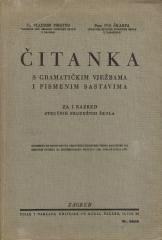
Čitanka s gramatičkim vježbama i pismenim sastavima za I razred stručnih produžnih škola
Der Prestinija und Škarpa Grammatikübungsleser (1937) ist ein Schulbuch, das zu einer Gruppe von Lehrbüchern gehört, die für Schüler beruflicher Weiterbildungsschulen im Königreich Jugoslawien bestimmt sind.
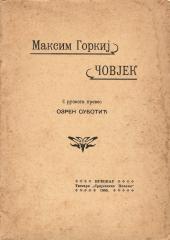
Čovjek
Maxim Gorkis „Der Mensch“, übersetzt von Ozren Subotić (Vukovar, 1905), ist ein philosophisches und literarisches Werk, das die Würde des Menschen, seine Schöpferkraft, seine geistige Freiheit und den Kampf gegen soziale Ungerechtigkeit verherrlicht.
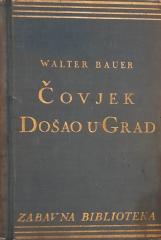
Čovjek došao u grad: Roman jednog proletariziranog seljaka
Ein armer Bauer kommt in die Stadt auf der Suche nach einem besseren Leben, wird dort aber ausgebeutet und erleidet soziale Ungerechtigkeit. Das Werk schildert den Prozess der Proletarisierung der Bauernschaft während der sozialen Umbrüche in der ersten H
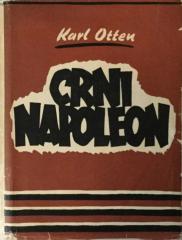
Crni Napoleon
Crni Napoleon (1931.) je romaneskna biografija Toussainta Louverturea. Prikazuje Haitsku revoluciju (1791.–1803.), ustanak robova na San Domingu, Louvertureov genijalni vojni i politički uspon te borbu protiv kolonijalnih sila.
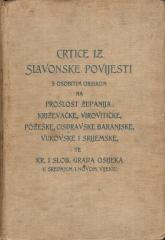
Crtice iz slavonske povijesti s osobitim obzirom na prošlost županija: Križevačke, Virovitičke, Požeške, Cisdravske baranjske, Vukovske i Srijemske, te Kr. i slob. grada Osijeka u srednjem i novom vijeku
Josip Bösendorfer u svom kapitalnom djelu iz 1910. daje pregled slavonske povijesti s naglaskom na prošlost županija (Križevačka, Virovitička, Požeška, Baranjska, Vukovska, Srijemska) i grada Osijeka u srednjem i novom vijeku.
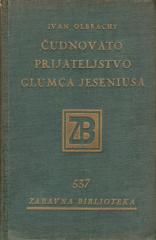
Čudnovato prijateljstvo glumca Jeseniusa
Priča Ivana Olbrachta prati glumca Jeseniusa koji se priprema za ulogu Jana Jeseniusa te se, poistovjećujući s njim, postupno psihički destabilizira i gubi osjećaj vlastitog identiteta.
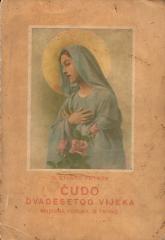
Čudo dvadesetog vijeka: Marijina poruka iz Fatime
Prva hrvatska knjiga o Fatimskim ukazanjima i Marijinoj poruci svijetu, iz pera fra Stanka Petrova, (1887.–1963.), franjevca, teologa i polihistora. Duhovno-povijesni prikaz čuda iz 1917. u kontekstu II. svjetskog rata.
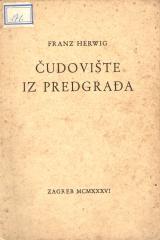
Čudovište iz predgrađa
Roman Čudovište iz predgrađa, objavljen 1936. godine u izdanju Zbora duhovne mladeži u Senju, predstavlja suvremenu legendu koja istražuje psihološke i društvene aspekte života u urbanim predgrađima.
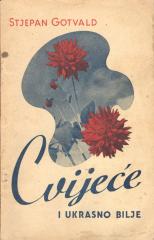
Cvijeće i ukrasno bilje
Knjiga predstavlja jedno od prvih opsežnijih domaćih djela posvećenih hortikulturi i uzgoju ukrasnog bilja, nastalo u vrijeme kada se tek stvarao sustavan pristup uređenju vrtova, parkova i okućnica u hrvatskom prostoru.
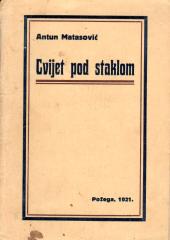
Cvijet pod staklom
"Cvijet pod staklom" Antuna Matasovića, zbirka je pripovijesti, i predstavlja rane priče slavonskog katoličkog pisca s motivima obitelji, ljubavi, svakodnevice i moralnih dilema. Klasično regionalno štivo između dva rata.