Antique books
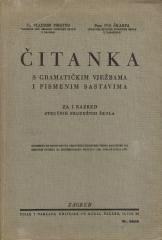
Čitanka s gramatičkim vježbama i pismenim sastavima za I razred stručnih produžnih škola
Čitanka s gramatičkim vježbama Prestinija i Škarpe (1937.) školski je udžbenik koji pripada skupini nastavnih udžbenika namijenjenih učenicima stručnih produžnih škola u Kraljevini Jugoslaviji.
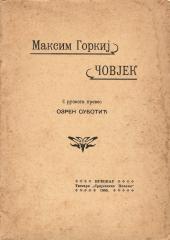
Čovjek
Čovjek Maksima Gorkog, u prijevodu Ozrena Subotića (Vukovar, 1905.), filozofsko-je književno djelo koje veliča dostojanstvo čovjeka, njegovu stvaralačku snagu, slobodu duha i borbu protiv društvene nepravde.
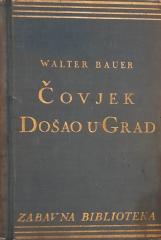
Čovjek došao u grad: Roman jednog proletariziranog seljaka
Siromašni seljak dolazi u grad tražeći bolji život, ali se suočava s izrabljivanjem i društvenom nepravdom. Djelo prikazuje proces proletarizacije seljaštva u razdoblju društvenih promjena prve polovice 20. stoljeća.
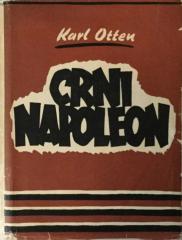
Crni Napoleon
The Black Napoleon (1931) is a fictional biography of Toussaint Louverture. It depicts the Haitian Revolution (1791–1803), the slave uprising in Saint-Domingue, Louverture's brilliant military and political rise, and his struggle against the colonial powe
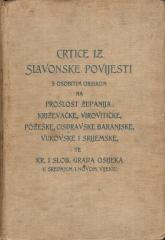
Crtice iz slavonske povijesti s osobitim obzirom na prošlost županija: Križevačke, Virovitičke, Požeške, Cisdravske baranjske, Vukovske i Srijemske, te Kr. i slob. grada Osijeka u srednjem i novom vijeku
Josip Bösendorfer u svom kapitalnom djelu iz 1910. daje pregled slavonske povijesti s naglaskom na prošlost županija (Križevačka, Virovitička, Požeška, Baranjska, Vukovska, Srijemska) i grada Osijeka u srednjem i novom vijeku.
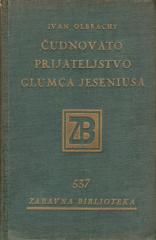
Čudnovato prijateljstvo glumca Jeseniusa
Priča Ivana Olbrachta prati glumca Jeseniusa koji se priprema za ulogu Jana Jeseniusa te se, poistovjećujući s njim, postupno psihički destabilizira i gubi osjećaj vlastitog identiteta.
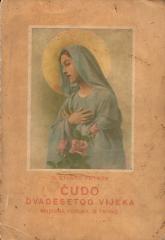
Čudo dvadesetog vijeka: Marijina poruka iz Fatime
Prva hrvatska knjiga o Fatimskim ukazanjima i Marijinoj poruci svijetu, iz pera fra Stanka Petrova, (1887.–1963.), franjevca, teologa i polihistora. Duhovno-povijesni prikaz čuda iz 1917. u kontekstu II. svjetskog rata.
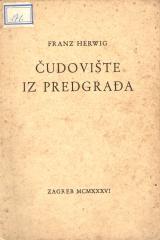
Čudovište iz predgrađa
Roman Čudovište iz predgrađa, objavljen 1936. godine u izdanju Zbora duhovne mladeži u Senju, predstavlja suvremenu legendu koja istražuje psihološke i društvene aspekte života u urbanim predgrađima.
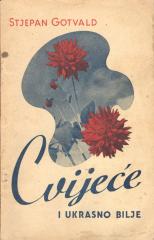
Cvijeće i ukrasno bilje
Knjiga predstavlja jedno od prvih opsežnijih domaćih djela posvećenih hortikulturi i uzgoju ukrasnog bilja, nastalo u vrijeme kada se tek stvarao sustavan pristup uređenju vrtova, parkova i okućnica u hrvatskom prostoru.
Cvijet pod staklom
"Cvijet pod staklom" Antuna Matasovića, zbirka je pripovijesti, i predstavlja rane priče slavonskog katoličkog pisca s motivima obitelji, ljubavi, svakodnevice i moralnih dilema. Klasično regionalno štivo između dva rata.