Francuska književnost
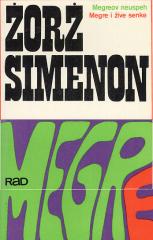
Megreov neuspeh / Megre i žive senke
Maigret steht vor der Macht und dem Schweigen, die ihn daran hindern, den Fall vollständig aufzuklären.
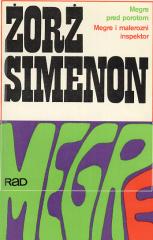
Megre pred porotom / Megre i malerozni inspektor
In beiden Romanen deckt Maigret durch Ermittlungen und Gerichtsverfahren die verborgenen Motive und die Psychologie der Figuren auf und zeigt, dass hinter Verbrechen immer komplexe menschliche Geschichten stecken.

Megre u Njujorku
Einer von Simenons Romanen aus der Reihe um den berühmten Kommissar Jules Maigret. Diesmal verlässt der furchtlose und einsichtige Pariser Polizeiinspektor die berühmten Straßen von Paris und begibt sich in das geschäftige New York, wo ihn eine neue und u

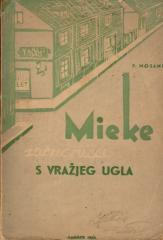
Mieke: zaručnica s "Vražjeg ugla"
Eine katholische Geschichte über das Leben, die Bekehrung, die Krankheit und das christliche Opfer einer jungen Arbeiterin namens Mieke aus einem armen und sündigen Vorort, die sich vor allem an junge Mädchen und Arbeiterinnen richtet.
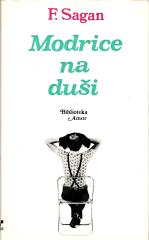
Modrice na duši
Eine junge Frau, auf der Suche nach Sinn, Liebe und Abenteuer, versinkt in der Langeweile, den Affären und der emotionalen Leere der Pariser High Society. Eine typische Sagan-Welt voller Melancholie und Hedonismus.
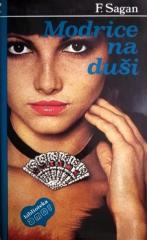
Modrice na duši
Eine junge Frau, auf der Suche nach Sinn, Liebe und Abenteuer, versinkt in der Langeweile, den Affären und der emotionalen Leere der Pariser High Society. Eine typische Sagan-Welt voller Melancholie und Hedonismus.
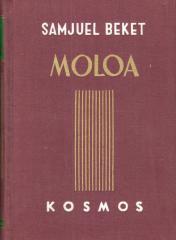
Moloa
Der Roman Molloy (1951) ist neben Malone Dies und Der Namenlose der erste Teil von Becketts berühmter Trilogie. Es ist in zwei Teile gegliedert, die jeweils aus der Perspektive eines anderen Erzählers erzählt werden: zuerst Molloy, dann Jacques Moran.
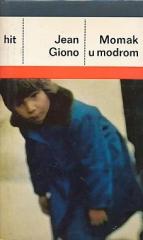
Momak u modrom
„Der Junge in Blau“ ist ein autobiografischer Roman von Jean Gion über seine Kindheit in der Provence. Anhand von Erinnerungen an Familie, erste Freunde und die Natur schildert der Autor das Heranwachsen und die Entwicklung des späteren Schriftstellers.
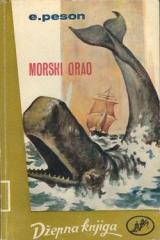
Morski orao
Édouard Peisson, ein französischer Schriftsteller, der sich auf Seefahrtsromane spezialisiert hat, erzählt in diesem für sein Werk typischen Werk eine Geschichte, die in der Welt des Meeres und der Schiffe spielt.
Literatur
- Abenteuerroman
- Albanische Literatur
- Amerikanische Literatur
- Anthologien
- Antike Literatur
- Aphorismen und Witze
- Arabische Literatur
- Autobiographien und Memoiren
- Bosnische Literatur
- Briefliteratur
- Britische Literatur
- Bulgarische Literatur
- Chinesische Literatur
- Deutsche Literatur
- Dokumentarische Literatur
- Drehbuch
- Ein Kriegsroman
- Ein philosophischer Roman
- Epische Fantasie
- Epische Literatur
- Erotische Literatur
- Essays und Tagebücher
- Familienroman
- Fantastische Literatur
- Francuska književnost
- Gedichte in Prosa
- Geschichte der Literatur
- Geschichten
- Griechische Literatur
- Hispanisch-amerikanische Literatur
- Historischer Roman
- Horror/Gothic
- Humor und Satire
- Indische Literatur
- Iranische Literatur
- Irische Literatur
- Italienische Literatur
- Japanische Literatur
- Jüdische Literatur
- Komödie
- Krimis/Detektivgeschichten
- Kroatische Literatur
- Kurzgeschichten
- Lateinische Literatur
- Liebesroman
- Literatur für junge Leute
- Literatur-Kritik
- Mazedonische Literatur
- Montenegrinische Literatur
- Moralische und didaktische Literatur
- Niederländische Literatur
- Novele
- Osteuropäische Literatur
- Poesie
- Polnische Literatur
- Portugiesische Literatur
- Psychologischer Roman
- Rumänische Literatur
- Russische Literatur
- Schullektüre
- Science-Fiction
- Serbische Literatur
- Skandinavische Literatur
- Slowakische Literatur
- Slowenische Literatur
- Sozialliteratur
- Spanische Literatur
- Sprichwörter und Maximen
- Sprüche, Gedanken, Aphorismen, Sprichwörter
- Theater
- Theorie der Literatur
- Thriller
- Tragödie
- Tschechische Literatur
- Türkische Literatur
- Ukrainische Literatur
- Ungarische Literatur
- Volksliteratur
- Zusammenfassungen und Adaptionen literarischer Werke