Fjodor M. Dostojevski
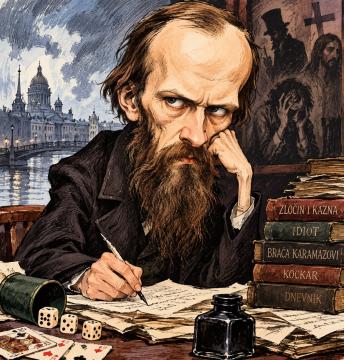
Fyodor Mikhailovich Dostoevsky (1821–1881), a Russian novelist, short story writer, and publicist, was born on November 11, 1821, in Moscow and died on February 9, 1881, in Saint Petersburg. He is one of the most significant figures of world literary realism, a pioneer of the modern psychological novel, and a precursor to literary existentialism.
He grew up in a physician's family and was educated at the Military Engineering Academy in Saint Petersburg. He gained literary acclaim with the novel Poor Folk (1846), followed by the publication of The Double (1846) and the novella White Nights (1848). Due to his involvement in the Petrashevsky Circle, he was arrested in 1849 and sentenced to death. His sentence was commuted to four years of penal servitude in Siberia, after which he served in the army. His experiences of imprisonment, epilepsy, poverty, and a propensity for gambling profoundly shaped his life and literary work. Among his most important works are The Insulted and Humiliated (1861), The House of the Dead (1861–1862), Notes from Underground (1864), Crime and Punishment (1866), The Gambler (1866), The Idiot (1868–1869), Demons (1871–1872), The Adolescent (1875), and The Brothers Karamazov (1879–1880). A significant part of his body of work also includes the journalistic A Writer's Diary.
At the heart of his creative work lie moral dilemmas, guilt, redemption, free will, faith, suffering, and the contradictions of human nature. Through complex psychological characterization, philosophical dialogues, and the polyphonic structure of his novels, he shaped a unique literary world.
His work profoundly influenced 20th-century literature, philosophy, and psychology—particularly the thought of Nietzsche, Freud, Camus, and Sartre. Dostoevsky remains an essential figure for understanding human conscience, freedom, and existential anxiety.
Titles in our offer
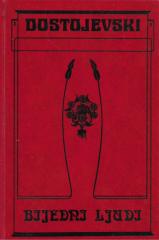
Bijedni ljudi / Dvojnik / Roman u devet pisama / Gospodin Proharčin / Gazdarica / Polzunkov / Slabo srce / Pošteni lopov / Božićno drvce i svadba / Tuđa žena i muž pod posteljom
The early works demonstrate Dostoevsky's interest in psychology, social criticism, and moral dilemmas, laying the foundation for later masterpieces. At the end of the book, an appendix by Leonid Grossman: The most important dates in the life and work of F
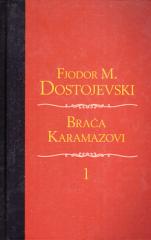
Braća Karamazovi
The Brothers Karamazov is the last novel of the Russian genius Fyodor Mikhailovich Dostoyevsky, which he completed less than three months before his death.

Pisma iz progonstva / Zimske beleške o letnjim utiscima / Krotka
Fyodor Dostoevsky, one of the greatest writers and visionaries in history, is presented in this edition with a selection from his correspondence (Letters from Exile), an account of his first trip to Europe (Winter Notes on Summer Impressions), and the fam
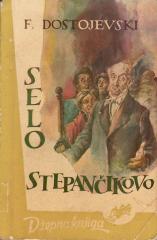
Selo Stepančikovo
"The Village of Stepanchikovo" is a humorous novel by Dostoyevsky, first published in 1859. This novel, which differs from the later, darker works of the author, is a satirical critique of social relations and human weaknesses.
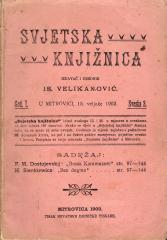
Svjetska knjižnica, Sv. 3.
The World Library, Volume 3, edited and published by Iso Velikanović, contains excerpts from The Brothers Karamazov by F. M. Dostoevsky and Without Dogma by H. Sienkiewicz. Designed for self-binding of individual works.
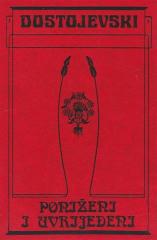
Ujakov san / Poniženi i uvrijeđeni
Both works reflect Dostoevsky's early phase, with a focus on social criticism, psychological analysis and moral dilemmas, foreshadowing the themes of his later masterpieces.
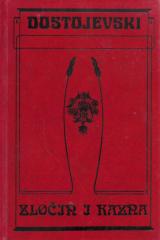
Zločin i kazna
The novel Crime and Punishment (1866) by Fyodor Mikhailovich Dostoevsky, a masterpiece of world literature, is a profound psychological and philosophical exploration of guilt, morality, and redemption.