Karl May
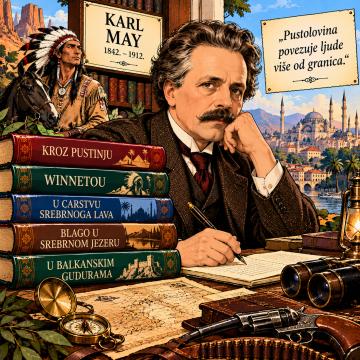
Karl Friedrich May (1842–1912), a German writer and one of the most widely read authors of adventure fiction, was born on February 25, 1842, in Ernstthal, Saxony, and died on March 30, 1912, in Radebeul. He achieved worldwide fame with novels set in the Wild West and the Orient, in which he combines thrilling adventures, friendship, justice, and humanistic ideals.
He grew up in a poor family of weavers. He trained as a teacher but lost the right to practice the profession due to a transgression. In his youth, he was sentenced to prison on several occasions. After his release, he gradually devoted himself to writing, and literary success enabled him to start a new life.
He published his first short stories in magazines and gained widespread popularity with adventure novels set in North America, the Middle East, and the Balkans. Although he described distant lands, he wrote most of his best-known works before visiting them in person.
His most famous heroes are Winnetou, a noble Apache chief, and Old Shatterhand, a German adventurer and his inseparable friend. Their adventures—particularly the Winnetou trilogy (1893)—emphasize loyalty, courage, mutual respect, and reconciliation among peoples. Among his most famous works are The Treasure of Silver Lake (1890–1891), Through the Desert (1892), Through Wild Kurdistan (1892), From Baghdad to Stamboul (1892), and In the Balkan Ravines (1892). In the Oriental cycle, the narrator Kara Ben Nemsi travels with his faithful companion, Hadji Halef Omar.
In his later work, May increasingly turned toward symbolism, spirituality, and pacifism, themes that are particularly evident in the novel Ardistan and Djinnistan (1909).
His style is characterized by dynamic action, vivid descriptions, suspense, and clearly defined moral conflicts. Although his portrayals of other cultures reflect the prejudices of his time, May exerted a powerful influence on European adventure literature.
His works have been translated into numerous languages, and the stories of Winnetou and Old Shatterhand have inspired popular film adaptations, remaining an enduring part of the reading culture for generations.
Titles in our offer


Divljim Kurdistanom
Jedna od najdirljivijih knjiga Karla Maja posvećena je herojskoj borbi kurdskih plemena protiv Osmanskog carstva sredinom prošlog veka.

Kanađanin Bil
Iako je najpoznatiji po likovima Vinetua i Old Šeterhendsa, u ovom delu Karl Mej donosi kraću, samostalnu avanturu iz kanadske divljine.

Karavana robova
Avanturistički roman počinje putovanjem stranca po imenu Otac sa četiri oka (nosi naočare) u Fašodu (Sudan) u pratnji plemena Homra.
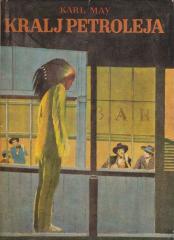
Kralj petroleja
Princ nafte je priča Karla Meja koju je napisao za časopis Der Gute Kamerad između avgusta 1892. i početka 1893. godine. Istoimena priča Der Oelprinz, koja je objavljena 1878. godine, nije preteča ove čuvene omladinske priče.

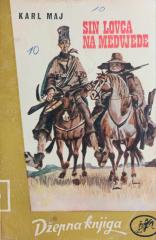
Među lešinarima: Sin lovca na medvjede / Sablast LLana Estacada
Na američkom Zapadu, heroji se suočavaju sa osvetom, zasedama i brutalnom borbom za opstanak. Dve avanture Karla Meja kombinuju napetost, čast, prijateljstvo i sukob na granici divljine.
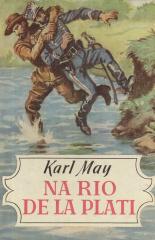
Na Rio de la Plati
Roman „Na Rio de la Plati“ je prvi deo dvodelne avanturističke priče Karla Maja, nastavljene u delu „U Kordiljerima“. Radnja se odvija u Južnoj Americi, u Urugvaju i Argentini, tokom revolucionarnih previranja 19. veka.
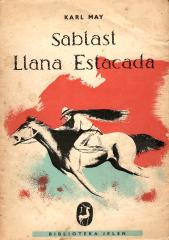
Sablast Llana Estacada
Avanturistički roman Karla Meja koji pripada ciklusu priča o Divljem zapadu. Radnja se odvija na opasnoj, sušnoj ravnici Ljano Estakado u Teksasu i Novom Meksiku, poznatoj po svojim misterioznim pojavama i zločinima.
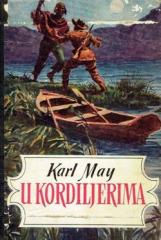
U Kordiljerima
U Kordiljerima (1894.) je avanturistički roman, nastavak Na Rio de la Plati, dio Mayevog južnoameričkog ciklusa. Knjiga prati pustolovine u Argentini tijekom revolucija, naglašavajući teme pravde, oprosta i borbe s divljinom.