Aristofan
Aristofan (oko 446./448. – oko 386./385. pr. Kr.) najveći je pisac stare atičke komedije i jedini čiji su komadi sačuvani u cijelosti. Smatra se „ocem komedije“ i najznačajnijim predstavnikom starogrčke komedije.
Rođen je u Ateni u imućnoj obitelji. Prvu komediju prikazao je već s nepunih 20 godina (427. pr. Kr.). Živio je u vrijeme Peloponeskog rata i političkih previranja u Ateni, što je snažno obilježilo njegovo stvaralaštvo. U svojim komedijama oštro je kritizirao demagoge (posebno Kleona), ratnu politiku, Sokrata, sofiste i Euripida, koristeći grub humor, opscenosti, fantastične zaplete i slobodu izražavanja karakterističnu za staru komediju.
Napisao je oko 40 komedija, od kojih je sačuvano 11 cjelovitih. Među najpoznatijima su: Aharnjani (425.), Vitezovi (424.), Oblaci (423.) – satira na Sokrata, Ose (422.), Mir (421.), Ptice (414.), Lizistrata (411.) – najslavnija, u kojoj žene štrajkom seksa zaustavljaju rat, Žabe (405.) te Skupština žena i Plutos.
Aristofanove komedije nisu samo zabavne nego i duboko političke i društvene. Predstavljaju neprocjenjiv izvor za poznavanje života, politike i kulture klasične Atene. Majstor je satire, parodije i scenskog humora, a njegov utjecaj proteže se kroz cijelu europsku komediju – od Menandra i Moliera do moderne satire.
Iako je bio konzervativan po nekim stavovima, Aristofan je ostao simbol umjetničke slobode i duhovitog otpora gluposti, demagogiji i zloupotrebi moći. Njegova djela i danas se čitaju i izvode diljem svijeta.
Titles in our offer
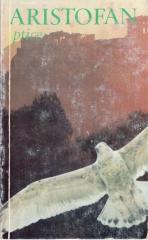
Ptice
Najfantastičnija Aristofanova komedija. Dva Atenejanina iz dosade nagovore ptice da u oblacima sagrade novi grad – Nefelokokigiju (Oblakokukuljograd). San o idealnom društvu pretvara se u smionu utopiju i parodiju na moć.
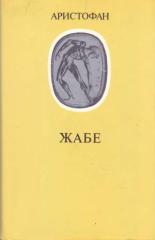
Žabe
Komedija u kojoj bog Dioniz silazi u podzemlje da vrati najboljeg tragičara u Atenu. U podzemnom natjecanju sukobljavaju se Eshil i Euripid, a komedija duhovito raspravlja o sudbini tragedije, umjetnosti i atenskom društvu u krizi.