Antun Gustav Matoš
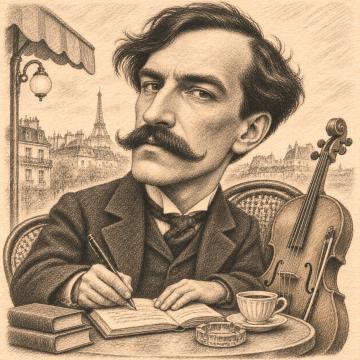
Antun Gustav Matoš (1873–1914) war ein kroatischer Dichter, Erzähler, Reiseschriftsteller und Literaturkritiker und zählt zu den wichtigsten Vertretern der kroatischen literarischen Moderne. Er wurde in Tovarnik geboren und wuchs in Zagreb auf. Nach dem Abbruch seines Veterinärstudiums in Wien wurde er zum Militär eingezogen. Er desertierte und ging nach Belgrad, wo er neben seiner schriftstellerischen und journalistischen Arbeit mit dem Cellospiel seinen Lebensunterhalt verdiente. Er lebte auch in Genf und Paris. 1908 kehrte er nach Zagreb zurück, wo er weiter schrieb und sich an literarischen Auseinandersetzungen beteiligte.
Seine Erzählung Moć savjesti (1892) kündigte sein Interesse am beunruhigten Gewissen und an der Grenze zwischen Wirklichkeit und Fantastik an. Zu Lebzeiten veröffentlichte er drei Erzählbände, Iverje (1899), Novo iverje (1900) und Umorne priče (1909). Darin wechseln sich Szenen aus dem Alltag in Zagreb und im Zagorje mit grotesken und symbolischen Geschichten ab. In der Novelle Cvijet sa raskršća wird die Begegnung eines Reisenden mit einem blinden Mädchen zu einer Geschichte über Sehnsucht und die Flüchtigkeit einer Begegnung.
In seiner Lyrik orientierte er sich an den französischen Symbolisten und Parnassiens, besonders an Charles Baudelaire. Er gestaltete Rhythmus und Klang seiner Verse mit großer Sorgfalt und bevorzugte unter anderem das Sonett. In Utjeha kose, Jesenje veče und Notturno prägen Bilder des Todes, der Landschaft und der Nacht die Stimmung der Gedichte. In den Reiseskizzen aus Naši ljudi i krajevi (1910) und Vidici i putovi (1912) verbindet er Landschaften mit den Menschen, ihrer Geschichte und seinen eigenen Eindrücken. Als Kritiker und Feuilletonist schätzte er die Eigenart des schriftstellerischen Stils. Seine Polemiken waren für ihren Witz und ihre Schärfe bekannt.
Titles in our offer
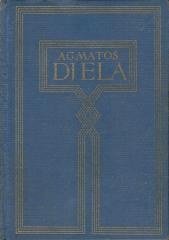
Djala 9: Pečalba - Kaprisi i feljtoni
Book of Works 9: Pečalba – Caprices and Feuilletons is a collection of caprices, feuilletons and satirical writings with sharp criticism of society, irony, humor and Matoš's bohemian, polemical spirit.
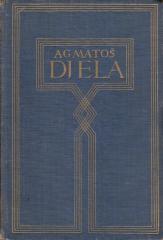
Djela 1: Iverje / Novo iverje
The first volume of the first critical edition of Matoš's collected works brings together early collections of sketches and short stories, Iverje (1899) and Novo iverje (1900) - humorous, satirical and fantastic stories with autobiographical motifs.

Djela 3: Umorne priče
The third volume of Barč's critical edition of the Works of A. G. Matoš (1935–1940) contains the collection Umorne priče (1909), mature short stories and sketches with themes of fatigue, love, death, satire, and modern life.
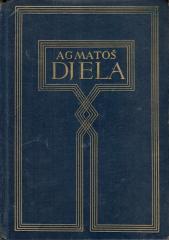
Djela 5: Pjesme i epigrami
The fifth volume of Barč's edition of Matoš's collected works contains his lyrics and epigrams, symbolist-romantic verses with themes of love, death, homeland, melancholy and irony, mostly published posthumously.
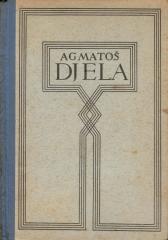
Djela 6: Dojmovi
The sixth volume in the 17-volume critical edition of The Works of A. G. Matoš is a collection of literary, cultural and travel impressions, criticism and feuilletons with sharp observations, irony and European horizons.
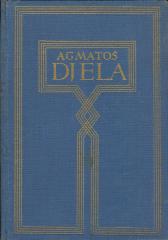
Djela 7: Ličnosti, problemi i pejzaži
A collection of essays, portraits of personalities, social problems and landscape impressions with sharp criticism, cultural analyses and Matoš's characteristic polemical and lyrical style.
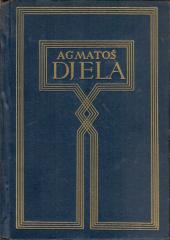
Djela 8: Oko Zagreba i po Hrvatskoj
Osmi svezak Matoševih Djela, koji je uredio Julije Benešić, zbirka je feljtona, putopisa i impresija o Zagrebu, okolici i hrvatskim krajevima, puna lirskih pejzaža, društvene kritike i polemičkih zapažanja.
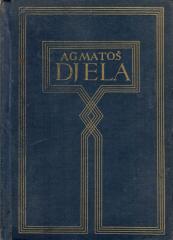
Djela X: Dragi naši savremenici: Polemike, epigrami i satire
U desetom svesku Matoševih djela okupljene su polemike, epigrami i satire u kojima autor britko komentira suvremenike, društvo, književnost i politiku, potvrđujući svoj oštar kritički stil.
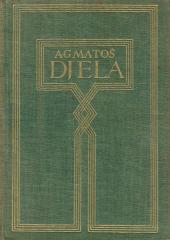
Djela XIII: Theatralia: Scenski pokušaji, članci o kazalištu i koncertima, dio prvi (1897.–1909.)
Trinaesti svezak prvog izdanja Matoševih sabranih djela okuplja dramske pokušaje te kazališne i koncertne kritike iz razdoblja 1897.–1909., otkrivajući Matoša kao pronicljiva kazališnog kritičara.

Djela XI: Priče i impresije
Jedanaesti svezak prvog izdanja Matoševih sabranih djela okuplja pripovijetke i impresije koje zorno prikazuju autorovu lirsku prozu, psihološku pronicljivost i dojmljive opise ljudi, krajolika i gradova.