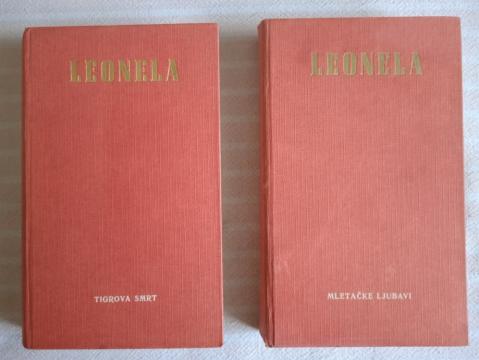
Leonela 1-2
No copies available
The last copy was sold recently.

No copies available
The last copy was sold recently.
Are you interested in another book? You can search the offer using our search engine or browse books by category.
In his novels Eugenie Grandet (1833) and The Museum of Antiquities (1837), Balzac explores universal themes of greed, human passions, sacrifice, and moral dilemmas, placing them in different social contexts of 19th-century French society.
"Eugénie Grandet" (1833), part of Balzac's Human Comedy, is a realistic novel that explores greed, family relationships, and the sacrifices of love in provincial French society.
This book focuses on one of the bloodiest events in French history – St. Bartholomew's Day in 1572, when thousands of French Protestants were massacred in Paris and across the country.
Cornelius van Berle, a young doctor from Dortrecht, is obsessed with creating a black tulip for the prize of the city of Harlem.
The novel tells the lavish story of the last Egyptian queen, a woman of exceptional intelligence and beauty, whose life, love affairs with Caesar and Antony, and tragic death symbolize the collision of power, passion, and fate.
The novel is considered one of Kessel's most significant works, inspired by his experiences as a pilot during World War I.