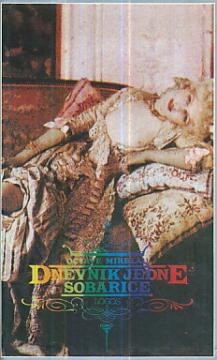
Dnevnik jedne sobarice
In his works, Octave Mirbeau directs the blade of his pen towards moral depravity, hypocrisy and injustice as well as civil conventions in France at the turn of the century.
The ferocity of its statement is similar to an anarchist pamphlet directed against the military and ecclesiastical authorities, as well as against the depravity of the bourgeois class, and therefore it reflects the new critical atmosphere that inspired artistic and humanist circles from the end of the 19th century.
The Diary of a Maid tells the story of the hardships, ups and downs of a woman from the fringes of society in its peculiar and sparkling language, and represents one of the last flashes of naturalism in French literature.
Celestina, the main character of the book, represents the most suggestive personality of the naturalistic novel. Beautiful, smart, self-aware, but poor, she penetrates the fabric of a collapsing society with the merciless sting of her wounded servile vindictiveness. Some because of his agreeableness, some because of his shrewdness, often on the recommendation of employment offices, he ends up in the homes of distinguished rich people from Paris to the idle provinces. When she is not enjoying the freedom, abundance and depravity of the city's rulers, alongside which her vices flourish, she indulges herself with pleasure and malice in sifting through her memories, describing her lascivious odyssey.
Either she is wooed by the landlords and their sons, often eccentric, or she is scolded by the callous landlady, or she is oppressed by the clumsy provincial environment where everything is teeming with sexual crimes. Surrounded by vice, in a constant battle, even she does not shrink from the pleasure of lust that presupposes love... even when she is the most vulnerable. She is especially cruel to those who surpass others in kindness, considering such an attitude to be the rules of the game and the price of her own perversion. In doing so, he will attach himself to the most dishonest and merciless of all scoundrels.
No copies available
The last copy was sold recently.