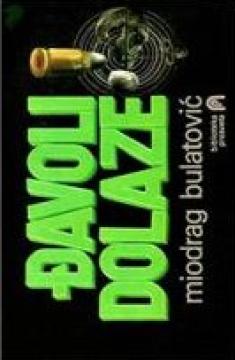
Đavoli dolaze
U romanu Đavoli dolaze Miodraga Bulatovića, groteska i fantazmagorija susreću se s realnošću balkanskog sela. Autor kroz simboliku, ironiju i crni humor prikazuje moralni raspad, ludilo i zlo koje se rađa među ljudima, a ne izvan njih.
Đavoli dolaze jedan je od najupečatljivijih romana Miodraga Bulatovića, objavljen početkom 1950‑ih, koji je autora potvrdio kao iznimno originalan glas moderne srpske i crnogorske književnosti. Roman je alegorijsko, groteskno i psihološki složeno djelo u kojem se stvarnost i fantazmagorija neprestano prepliću, stvarajući atmosferu halucinantnog, gotovo apokaliptičnog svijeta.
Radnja je smještena u ratom i bijedom razoreno balkansko selo u kojem se, uoči velikih povijesnih i duhovnih lomova, pojavljuju “đavoli” – ne kao nadnaravna bića, nego kao simbol ljudske pokvarenosti, straha i ludila. Kroz niz likova koji gube dodir s razumom, Bulatović prikazuje kako se moralne granice brišu u vrijeme zla, te kako svatko u sebi nosi svoj dio tame.
Stil romana obilježen je poetskom napetošću, ekspresionističkim slikama, smjelim metaforama i crnim humorom. Bulatovićev jezik pulsira između vizionarske lirike i brutalnog realizma, stvarajući jedinstvenu umjetničku smjesu koja čitatelja uznemiruje i očarava.
Tematski, roman ispituje granicu između dobra i zla, ludila i razuma, stvarajući panoramu svijeta u kojem “đavoli” više nisu demoni iz legendi, nego ljudi koji su izgubili vjeru, smisao i čovječnost. Đavoli dolaze ostaje jedno od ključnih djela modernističke proze i simbol Bulatovićeve opsesivne teme – tragične, ali i groteskne naravi čovjeka.
No copies available
The last copy was sold recently.