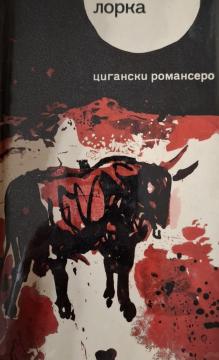
Ciganski romansero

Lorca’s eighteen ballads of love, freedom, persecution and death transform Andalusia into a mythical landscape. Moonlight, blood, horses and night accompany lives caught between passion and prohibition.
Gypsy Ballads is one of Federico García Lorca’s best-known poetry collections. Its eighteen ballads create a mythical Andalusia where everyday scenes become encounters with love, violence and death. Roma figures embody freedom, social exclusion and lives constrained by prohibitions.
Memorable characters such as Antoñito el Camborio and Soledad Montoya inhabit a world shaped by pride, longing and profound sorrow. The moon, horses, water, knives and blood form a symbolic language that gives ordinary events a disturbing, almost ritual intensity. The conflict between the individual and repressive authority becomes particularly powerful in the ballad of the Spanish Civil Guard.
Lorca draws upon the traditional Spanish romance, retaining its narrative movement and musical qualities while transforming it through daring metaphors and unexpected imagery. Folk tradition meets modern poetic imagination, producing verse that both tells stories and withholds their meanings. Beyond the Andalusian setting lie universal questions about preserving freedom, enduring frustrated desire and confronting violence and fate.
One copy is available