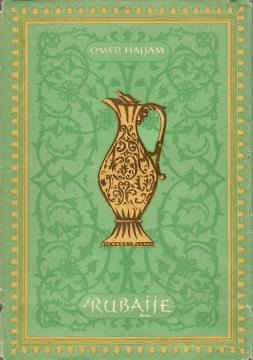
Rubaije
Rubaije (četverostihovi, rubāʿiyāt) Omara Hajjama (1048.–1131.), perzijskog matematičara, astronoma, filozofa i pjesnika iz Nišapura, jedna su od najutjecajnijih zbirki svjetske lirike.
Originalno nije postojao fiksni kanon – pripisuje mu se 100–1000+ rubaija, od kojih je autentičnih vjerojatno oko 200–300. Najpoznatiji su zahvaljujući engleskom prijevodu Edwarda Fitzgeralda (1859.), koji je slobodno adaptirao i popularizirao Hajjama na Zapadu, a u hrvatskom kontekstu postoje prijevodi Safvet-bega Bašagića, Fehima Bajraktarevića, Mirze Safeta i drugih.
Rubaija je kratka, strogo strukturirana pjesma od četiri stiha (katren), s rimom AABA (prvi, drugi i četvrti stih rimovani, treći obično ne). Jezgrovita, lapidarna, maksimalno kondenzirana misao.
Glavne teme i filozofija:
- Prolaznost života – sve je prolazno: mladost, ljepota, moć, bogatstvo. Vrijeme je nemilosrdno (npr. palača Behrama postala je ruševina za divlje zvijeri).
- Užitak i carpe diem – uživaj u sadašnjem trenutku: vino, ljubav, prijateljstvo, priroda. Vino je česta metafora za ekstazu, zaborav i mistično prosvjetljenje (ne samo alkohol).
- Skepticizam i agnosticizam – Hajjam dovodi u pitanje smisao postojanja, Božju pravdu, zagrobni život. Zašto patnja? Zašto smrt? Bog je nedokučiv, svemir mehanički (sudbina kao lončarski krug).
- Ljubav i erotičnost – senzualna, ali i duhovna; žena i vino kao simboli transcendencije.
- Ironija i rezignacija – čovjek je lutka u rukama sudbine, kozmička šala; ipak, dostojanstvo leži u lucidnosti i uživanju u prolaznom.
Hajjam nije sufijski mistik (kao Rumi), već racionalni skeptik s hedonističkim naglaskom – prije egzistencijalizma nego romantične duhovnosti. Fitzgeraldov prijevod pojačao je fatalistički i vinopojni ton, čineći ga "pjesnikom vina i sumnje".
U hrvatskim izdanjima (npr. Bašagićev prijevod, ili izbori iz 20. st.) rubaije zvuče arhaično, ali snažno: kratke mudrosti o životu, smrti i besmislu, isprepletene humorom, cinizmom i dubokom čežnjom za smislom u besmislenom svemiru.
Ključna je poruka Hajjamovih Rubaija: Živi sada, jer sutra možda neće doći; pij iz čaše života dok možeš, jer lončar sudbine već oblikuje novu posudu od tvoje prašine.
No copies available
The last copy was sold recently.